
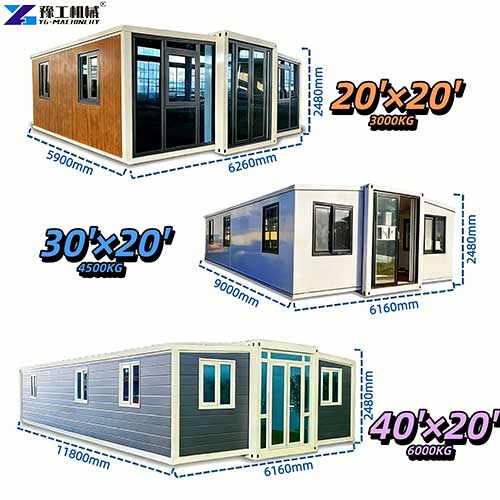
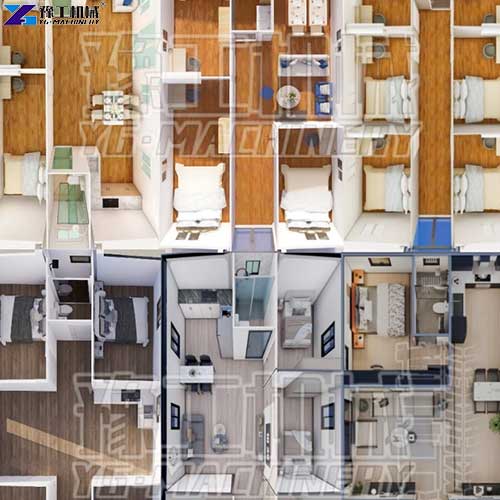
When purchasing an expandable container home, many customers face the same frustrating problem:
👉 “I clearly explained my requirements, but the manufacturer still can’t deliver what I want.”
After multiple revisions and repeated communication, the result is often:
- The design does not match expectations
- The required size cannot be achieved
- Certain functions cannot be implemented
- Or you are simply told: “This cannot be done.”
If you’ve experienced this, you’re not alone.
This guide will help you understand the real reasons—and show you how to successfully customize a mobile expandable prefab house that truly meets your needs.
I: The Real Reasons Why Customization Fails
Many people assume it’s the manufacturer’s fault. In reality, the problem usually comes down to three key issues:
⚠️ 1. Your Requirements Are Not Specific Enough (Most Common)
Many buyers describe their needs like this:
- “I want a nice-looking house.”
- “It should be livable and a bit spacious.”
- “Make it strong and durable.”
👉 These descriptions are too vague for manufacturers to execute.
✅ The Right Way to Communicate:
Provide clear details such as:
- Size: length × width × height
- Purpose: living/office/commercial
- Capacity: number of people
- Functions: bathroom, kitchen, partitions
- Environment: hot, rainy, coastal, or cold regions
👉 The more specific you are, the better the final result.
⚠️ 2. The Manufacturer Lacks True Customization Capability
Many suppliers claim to offer customization, but in reality, they only:
❌ Change colors
❌ Slightly adjust dimensions
❌ Move doors and windows
👉 This is not real customization—just minor adjustments to standard models.
✅ Real Customization Should Include:
- Structural modifications (frame, load-bearing system)
- Interior layout design
- Functional module additions
- Material upgrades (insulation, anti-corrosion, fireproofing)
👉 This is what defines a true portable container cabin solution.
⚠️ 3. Unprofessional Communication
A common situation:
Customer: “I want something like this picture.”
Manufacturer: “No problem.”(No detailed confirmation)
👉 Result: The final product looks completely different.
YG has over 20 years of sales experience and serves customers in more than 100 countries and regions. All our products support customization—you can get exactly what you need. If you’re not sure how to explain your requirements, our professional team will guide you step by step to the right solution. If you’re interested, feel free to contact us today!
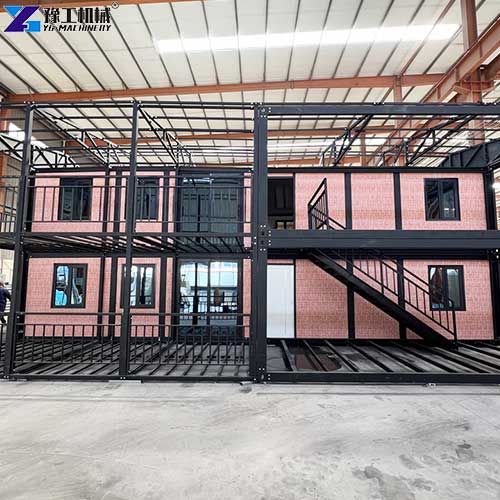
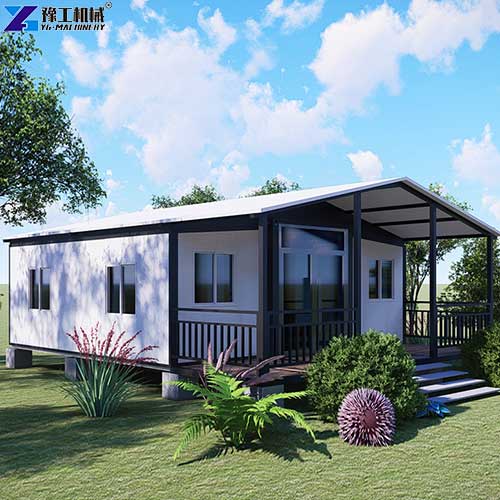
II: How to Ensure Successful Customization
Follow these steps to get it right the first time:
🧱 Step 1: Prepare Clear Requirements
You should provide:
- 📐 A simple sketch (even hand-drawn)
- 🖼️ Reference images (styles you like)
- 📋 A functional requirements list
👉 This step determines 80% of your final result.
🧑💻 Step 2: Request a Design Proposal
A reliable manufacturer will provide:
- Floor plan layout
- Structural drawings
- Configuration list
👉 Be cautious if a supplier gives you a container prefab homes price directly without any design.
📹 Step 3: Confirm All Details (Critical Step)
Make sure to confirm:
- Door and window positions
- Folding/expanding mechanism
- Expanded size vs folded size
- Electrical and plumbing systems
👉 Always ask for videos or visual demonstrations.
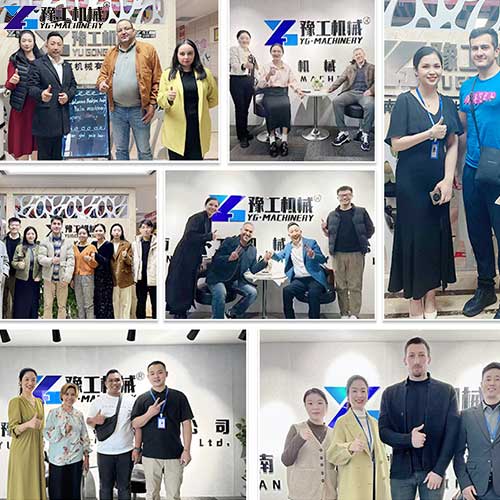
YG provides sample photos and shipping videos for every customer, so what you receive matches what you see on your phone or computer. If you still want more assurance, you’re always welcome to visit our factory. Want to know more? Contact us today!
III: How to Identify Reliable Manufacturers
Choosing the right supplier is key to your project’s success.
🏭 1. Check Real Customization Cases
Ask:
- Do you have similar projects?
- Can you provide videos or photos?
👉 No real cases = high risk
⚙️ 2. Evaluate Customization Depth
Check whether they can:
- Modify structure
- Add functional modules
- Adjust designs based on your country’s standards
🔧 3. After-Sales Support
Customization doesn’t end with delivery. It includes:
- Installation guidance
- Operation manuals
- Maintenance support
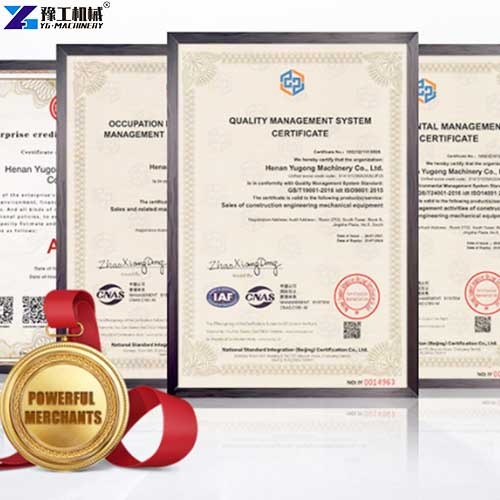
Every YG product comes with a warranty. We also create a dedicated group chat for each customer, including YG staff, after-sales support, and you, so your questions are answered quickly. Click the button below to learn more!
⚠️IV: Common “Fake Customization” Traps
Avoid these pitfalls:
❌ Trap 1: Low Price First, Extra Charges Later
Initial container prefab homes prices look attractive, but costs increase with every added feature.
❌ Trap 2: No Drawings Provided
👉 No drawings = your requirements are not truly understood
❌ Trap 3: No After-Sales Support
👉 Problems after delivery = no solution
🎯 V: What a Reliable Customization Process Looks Like
A professional supplier should follow:
1️⃣ Clear requirement analysis
2️⃣ Design proposal
3️⃣ Detail confirmation
4️⃣ Manufacturing
5️⃣ Delivery + after-sales support
👉 Missing any step will affect the final result.
💡 Final Advice
An expandable container home is not just a product—it’s a complete solution.
👉 Choose the right supplier = Get exactly what you want
👉 Choose the wrong one = Endless revisions and wasted budget
📩 Get Your Custom Solution Today
If you’ve faced customization problems before, contact YG:
- ✅ Free design proposal
- ✅ Custom feasibility analysis
- ✅ Real overseas project cases
- ✅ Full technical support
👉 Whether you need a mobile expandable prefab house or a fully customized portable container cabin, we ensure you get a solution that truly fits your needs.
4 FAQS: Expandable Container Homes Buying & Customization
A1:An expandable container house is a foldable, modular structure that can be easily transported and quickly expanded on-site. It is widely used for: Residential housing
Site offices, Temporary accommodation, Commercial spaces, and so on.
A2: The container prefab homes prices depend on several factors:
size and layout, materials (insulation, steel thickness, etc.), interior configuration (bathroom, kitchen, wiring), customization level, and quantity ordered.
A3: Yes, but it depends on the manufacturer. A professional supplier can customize:
structure and dimensions, interior layout, electrical and plumbing systems, insulation, and climate adaptation.
A4:Production time usually ranges from 7 to 30 days, depending on design complexity, order quantity, and customization requirements