
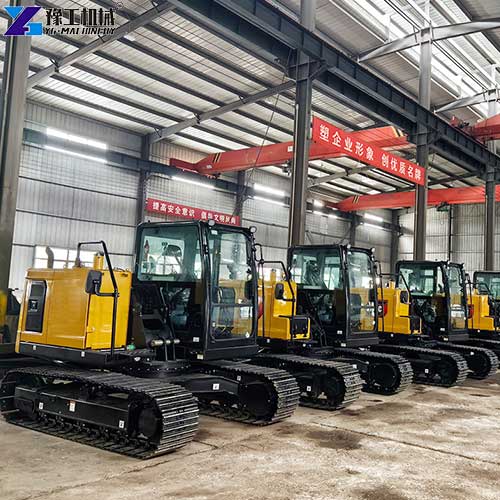
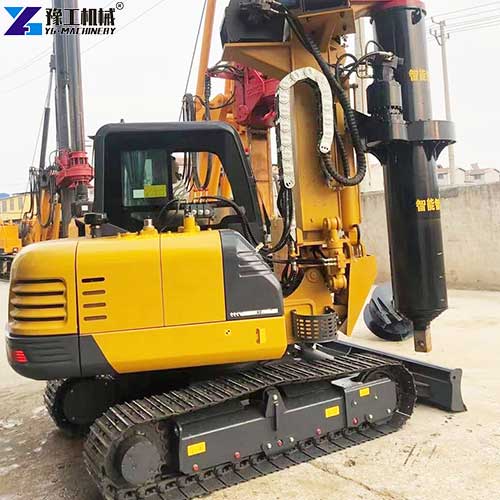
In the construction of a rotary drilling rig machine, “choosing the right drilling tool” is the core key to improving efficiency, reducing failures, and ensuring pile foundation quality. Many construction teams obviously have up-to-standard equipment performance, but frequently encounter problems such as drill bucket sticking, hole collapse, excessive drill tool wear, and substandard hole forming quality. The root cause is often the mismatch between the drill tool and the construction geology, or ignoring the cooperative role of auxiliary equipment. Today, we will combine the characteristics of common construction geology, disassemble the drill tool adaptation logic, and match the auxiliary equipment selection suggestions to help you create a more professional rotary drilling construction solution.
YG Rotary Drilling Rig Parameter
| Dimensions (mm) | 7900*2260*3100 |
| Vehicle mass (kg) | 8000 |
| Wheelbase (mm) | 3150 |
| Wheelbase (mm) | Front 1400 After 1060 |
| Drilling depth (m) | 13 |
| Drilling diameter (mm) | 600-1600 |
| Rotation angle | 180 degree |
| Walking speed (km/h) | 50 |
| Gear pump model | CBJT2080 |
| Hydraulic system working pressure (Mpa) | 20-25 |
| Hydraulic system displacement (ml/r) | 80 |
| engine model | 4108 |
| Engine power (kW) | 88 |
I. First Recognise Geology: Characteristics of Common Construction Geology
In the geological survey before construction, focus on the following 5 common types of geology, clarify their core characteristics and requirements for construction, and lay the foundation for drill tool matching, which is also the premise for the efficient operation of the rotary drilling rig machine:
- Clay: Strong plasticity and high viscosity. The core pain point is that it is easy to cause drill bucket sticking, leading to difficulty in soil unloading and reduced drilling efficiency. It has high requirements for the anti-sticking and smooth soil unloading performance of the drill tool.
- Mucky soil: Extremely high water content and soft soil quality. The core pain point is easy diameter reduction, and the hole wall is easy to collapse after hole forming. It not only requires the drill tool to be suitable for soft stratum, but also needs supporting wall protection measures.
- Sand soil: Loose soil quality and poor stability. The core pain points are easy collapse, soil leakage, and hole collapse, which can occur during drilling. It has strict requirements for soil-leakage prevention and wall-protection coordination of the drill tool, which is also a key point for hydraulic rotary drilling rigs to pay attention to in sand-layer construction.
- Gravel soil: Coarse particles and high hardness. The core pain point is serious wear on the drill tool and large drilling resistance. It requires the drill tool to have strong wear resistance and impact resistance to ensure the long-term stable operation of the rotary drilling rig machine.
- Medium and slightly weathered rock stratum: High hardness and strong integrity. The core pain point is high drilling difficulty and low efficiency. It needs a high-torque rotary drilling rig machine combined with special drill tools to achieve efficient rock breaking.
II. Core Drill Tool Adaptation Logic: Choose Drill Tools According to Geology
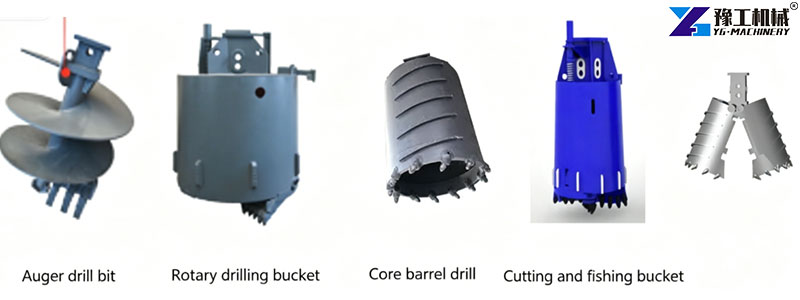
The core drill tools of the rotary drilling rig machine are mainly divided into four types: auger drill bucket, rotary drilling bucket, core drill bucket, and sand fishing bucket. Different drill tools have different structural designs and tooth type configurations, and their suitable geological scenarios also have their own focuses. Only by matching the geological characteristics with the drill tool characteristics can we improve construction efficiency, protect the drill tool, and make the rotary drilling rig machine play the optimal performance.
1. Auger Drill Bucket (Pick Teeth/Bucket Teeth): “Efficient Tool” for Soft Stratum
The core advantage of the auger drill bucket is fast drilling speed and convenient soil unloading. It is divided into two tooth types: pick teeth and bucket teeth. It is suitable for soft strata such as cohesive soil, silt soil, and sand soil, especially for the following scenarios:
- Cohesive soil and silt soil stratum: Priority is given to the bucket tooth type auger drill bucket. The spacing of bucket teeth is moderate, which can not only cut the soil layer quickly, but also reduce clay sticking. During soil unloading, the soil is smoothly discharged through the rotation of the auger blade to avoid bucket sticking and blocking.
- Sand soil stratum: Choose a pick tooth type auger drill bucket. The pick teeth are sharp and wear-resistant, which can quickly cut into loose sand or soil. At the same time, the auger blade has good sealing performance, which can reduce soil leakage. Combined with auxiliary wall protection measures, it can effectively prevent hole collapse.
Note: The auger drill bucket is not suitable for gravel soil and medium-slightly weathered rock stratum. Forced use will lead to serious wear of the drill tool, drilling jamming, and even damage to the equipment.
2. Rotary Drilling Bucket (Pick Teeth/Bucket Teeth): “Universal Model” for Soft Soil Scenarios
The rotary drilling bucket is the most widely used universal drill tool, with a strong structure and strong adaptability. It is also divided into two tooth types: pick teeth and bucket teeth. It is suitable for various soft strata such as cohesive soil, mucky soil, and sand soil. The core adaptation logic is:
- Cohesive soil and mucky soil stratum: Select a bucket tooth type rotary drilling bucket. The bucket teeth are arc-shaped, which can better cut cohesive soil and sludge. At the same time, the inner wall of the drill bucket is smooth, which reduces soil sticking and makes soil unloading smoother. For the problem of easy diameter reduction of mucky soil, the diameter of the drill bucket can be appropriately increased, combined with mud wall protection to ensure the hole forming size.
- Sand soil stratum: Choose a pick tooth type rotary drilling bucket. The pick teeth have high hardness and wear resistance, which can meet the cutting needs of loose sand soil. The anti-leakage plate at the bottom of the drill bucket can effectively prevent soil leakage, avoiding hole collapse and efficiency reduction caused by soil leakage.
The advantage of the rotary drilling bucket is its strong versatility, which can cope with various soft strata, but it performs poorly in gravel soil and hard rock strata, so special drill tools need to be replaced in time.
3. Core Drill Bucket (Pick Teeth/Roller Cone): “Special Rock Breaking Tool” for Hard Rock Stratum
The core drill bucket is specially designed for medium and slightly weathered rock strata. Its core advantage is strong rock-breaking ability, which is suitable for rock strata with high hardness and strong integrity. The selection of tooth type needs to be combined with the rock stratum hardness:
- Medium weathered rock stratum: Select pick tooth type core drill bucket. The pick teeth are made of wear-resistant alloy material, which can quickly cut into the rock stratum. Through the rotation and downward pressure of the drill bucket, rock breaking is realized. At the same time, the structure of the core drill bucket can quickly collect the broken rock debris, improving drilling efficiency.
- Slightly weathered rock stratum (extremely high hardness): Select roller cone type core drill bucket. The roller cone can realize rolling breaking, disperse the rock breaking pressure, reduce drill tool wear, and, combined with a high-torque rotary drilling rig machine, it can effectively reduce the difficulty of hard rock drilling and avoid drill tool jamming and damage.
Note: The core drill bucket is not suitable for soft strata. Forced use will lead to slow drilling speed and increased drill tool wear, which will reduce construction efficiency instead.
4. Sand Fishing Bucket: “Anti-Collapse Artifact” for Collapsible Stratum
The core characteristics of the sand fishing bucket are good sealing performance and large volume. It is especially suitable for collapsible strata such as a loose sand layer and a gravel layer. Its core functions are to prevent hole collapse and efficiently clean the hole. The adaptation logic is as follows:
- Loose sand layer: The sealed design of the sand fishing bucket can effectively prevent sand from leaking out, reduce hole wall disturbance during drilling, and avoid hole collapse, combined with mud wall protection. At the same time, the sand fishing bucket can quickly collect loose sand in the sand layer, improving drilling efficiency.
- Gravel layer: The bucket wall of the sand fishing bucket is firm, and the bucket teeth are wear-resistant, which can cope with the impact and wear of gravel. At the same time, it can quickly fish up the gravel, avoid gravel accumulation at the bottom of the hole, and reduce drill tool wear and drilling resistance.
In addition, the sand fishing bucket can also be used for hole cleaning operations to remove sediment at the bottom of the hole. Combined with hole cleaning equipment, it ensures that the sediment thickness meets the specification requirements and improves the bearing capacity of the pile foundation.
III. Auxiliary Equipment Matching: This Equipment Can Also Improve Construction Professionalism
The construction of the rotary drilling rig machine is not “fighting alone”. The efficient operation of drill tools is inseparable from the cooperation of auxiliary equipment. Combining different geological and construction needs, matching corresponding auxiliary equipment can further improve construction efficiency, ensure construction quality, and create a complete product solution:
1. Mud Circulation System (Mud Pit + Pump Set + Purification Equipment)
The core function is to provide mud wall protection during wet hole forming to prevent hole collapse. At the same time, it purifies the circulating mud and reduces waste discharge. It is suitable for collapsible geologies such as sand layers and gravel layers, or projects with high environmental protection requirements. Matching suggestions: When constructing sand layers and gravel layers, the mud circulation system should be used in conjunction with sand fishing buckets and rotary drilling buckets. The mud concentration should be adjusted according to the geological looseness, which can not only effectively protect the wall, but also reduce drill tool sticking. It is also an important supporting piece of equipment for a mud rotary drill rig.
2. Crane / Crawler Crane
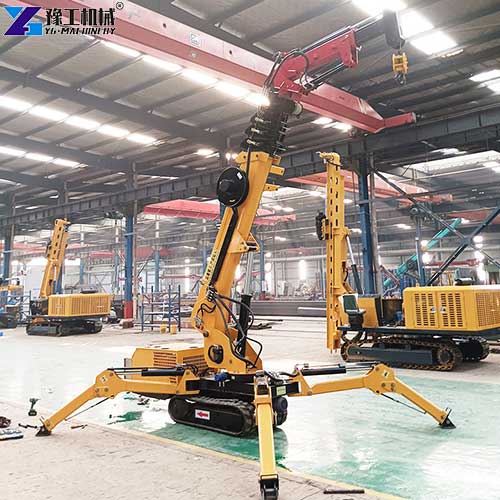
The core function is to hoist drill tools and steel cages, assist the drilling rig in moving and installing counterweights. It is suitable for large pile foundation projects (steel cage weight > 5t) or construction areas with narrow sites. Matching suggestions: When using core drill buckets for hard rock drilling, the drill tools are heavy, so a crane needs to be matched for hoisting to improve the efficiency of drill tool replacement. In large pile foundation projects, the hoisting of steel cages should match the hole-forming rhythm to avoid hole wall collapse caused by hoisting delay. It is an essential auxiliary piece of equipment for the rotary rig machine.
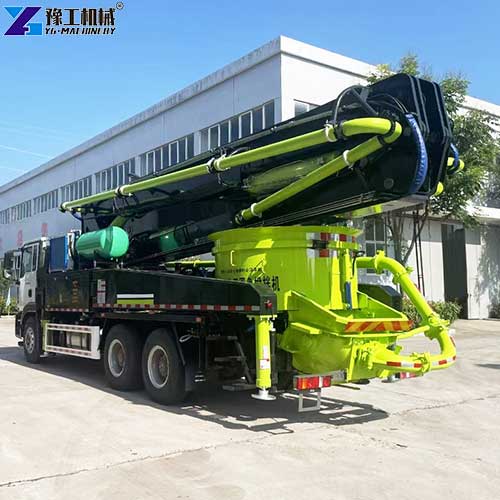
3. Concrete Pouring Equipment (Concrete Pump Truck + Hopper)
The core function is to pour concrete into the pile hole through the conduit to complete the pile foundation forming. It is suitable for all pile foundation projects and needs to match the hole forming rhythm (to avoid hole wall collapse). Matching suggestions: Regardless of the geology, the concrete pouring equipment should be synchronized with the drilling rhythm of the drill tool, and the pouring should be carried out on time after hole forming, especially in sand and mucky soil strata, to avoid hole wall collapse and affect the pile foundation quality due to untimely pouring.
4. Hole Cleaning Equipment (Sand Fishing Bucket + Air Suction Dredger)
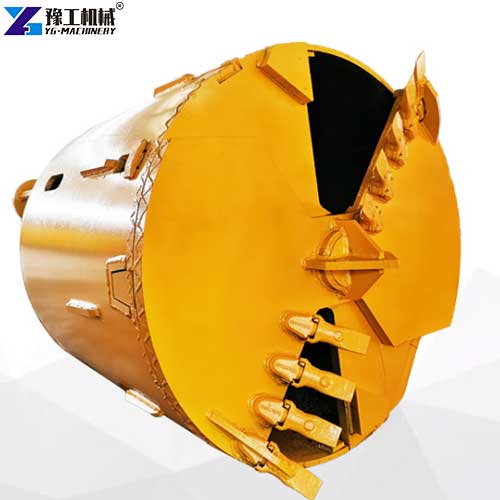
The core function is to remove sediment at the bottom of the hole (sediment thickness ≤ 5cm) and improve the bearing capacity of the pile foundation. It is suitable for geologies such as rock layers and sand layers that are prone to sediment. Matching suggestions: During rock stratum construction, the rock debris broken by the core drill bucket is easy to accumulate at the bottom of the hole, so an air suction dredger needs to be matched for deep hole cleaning; During sand layer construction, the sand fishing bucket can be used for initial hole cleaning, and then the air suction dredger can be used for refined hole cleaning to ensure that the sediment thickness meets the specifications. It is also a key piece of equipment for a mud rotary drill rig.
5. Measuring Equipment (Total Station + Level + Measuring Rope)
The core function is to locate the pile position, calibrate the verticality of the drilling rig, and measure the hole depth and diameter. It is suitable for all projects to ensure the hole forming accuracy. Matching suggestions: Use a total station to locate the pile position before drilling, and use a level to calibrate the verticality of the drilling rig during drilling to avoid hole inclination; Measure the hole depth with a measuring rope every certain drilling depth, and combine the drill tool size to ensure that the hole diameter and depth meet the design requirements, especially in hard rock and deep hole construction, frequent measurement and calibration are required.
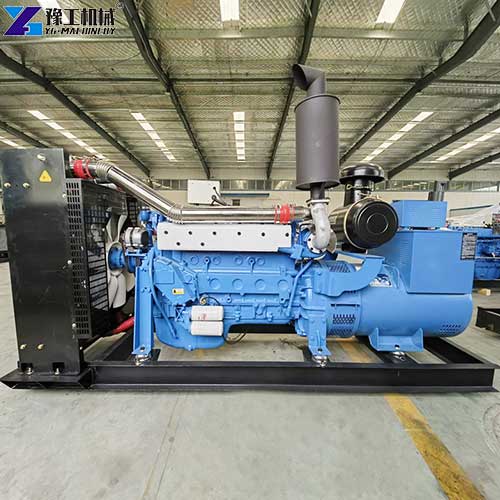
6. Generator Set
The core function is to ensure the operation of the drilling rig and auxiliary equipment when the power supply on the construction site is insufficient. It is suitable for remote construction sites or temporary power supply areas. Matching suggestions: When constructing in remote construction sites, the generator set should be coordinated with the drilling rig, mud circulation system, concrete pump truck, and other equipment to ensure a stable power supply and avoid drilling interruption, hole wall collapse, and other problems caused by power failure. It is an important guarantee for the stable operation of the rotary rig machine.
IV. Summary of Rotary Drilling Equipment Matching: Implement Measures According to Geology and Improve Efficiency Cooperatively
The core principle of rotary drilling rig machine tool matching is “geological adaptation, tooth type matching, and auxiliary coordination”. There is no need to pursue “high-end drill tools”. As long as it fits the geological characteristics and matches the corresponding drill tools and auxiliary equipment, efficient and low-cost construction can be achieved. Summarize 3 core suggestions:
- 1. First identify the geology and then select the drill tool: For soft strata (cohesive soil, sludge, sand soil), priority is given to auger drill buckets and rotary drilling buckets; for collapsible strata, add sand fishing buckets; for hard rock strata (medium and slightly weathered rock), core drill buckets must be selected, and pick teeth or roller cone teeth should be selected according to the rock stratum hardness;
- 2. There are skills in tooth type selection: Bucket teeth are selected for soft strata, which are smooth in cutting and anti-sticking; pick teeth are selected for hard strata and loose strata, which are wear-resistant and impact-resistant; roller cone teeth are selected for extremely hard rock strata to improve rock breaking efficiency.
- 3. Auxiliary equipment is indispensable: Equip mud circulation system for collapsible geology, crane for large-scale projects, measuring equipment for all projects, and a generator set for remote construction sites to form a complete solution and improve construction professionalism and efficiency.
In short, there is no fixed template for drill tool matching. The core is “symptomatic treatment” – combining the core pain points of construction geology and matching corresponding drill tools and auxiliary equipment, we can maximize the performance of the rotary drilling rig machine, reduce failures, ensure quality, and make construction smoother and more efficient. Please contact YG now.