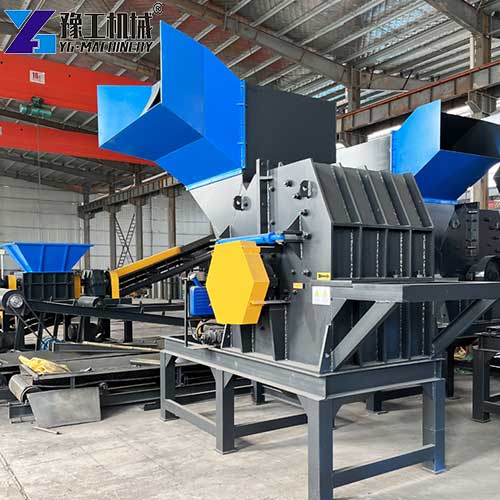
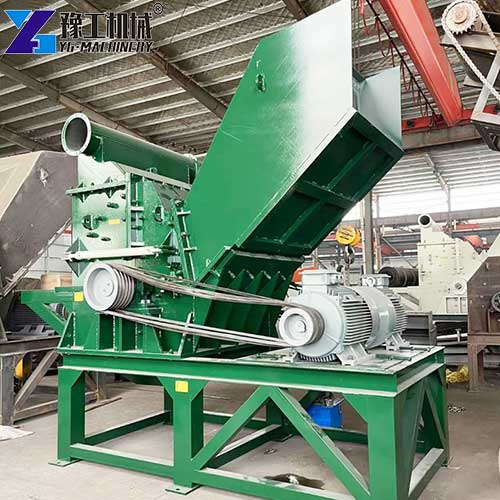
The tyre recycling line is a fully automated, industrial-grade solution designed for the high-value, resource-efficient processing of waste tyres. This production line integrates automated crushing, steel wire separation, fiber sorting, and fine grinding, enabling the efficient conversion of whole tyres into high-purity rubber granules/powder, cleanly recovered steel wires, and textile fibers. The system makes it possible to recycle material resources. With intelligent control and efficient dust removal design, the system ensures an environmentally friendly, low-energy, and safe production process. Thanks to its modular configuration and flexible capacity, the system can support large-scale recycling centers for continuous operation or provide stable, high-quality recycled raw materials for rubber products, road construction, and other industries. If you’re interested in tyre recycling lines, please contact YG.
Tire Recycling Production Line Parameter
| Model | YG-3 | YG-6 | YG-10 | YG-16 | YGL-16 | YG-30 |
| Capacity | 1-3t/d | 4-6t/d | 8-10t/d | 12-16t/d | 8t/d (only for rubber powder) | 30-35t/d |
| Working Process | Batch | Batch | Batch | Batch | Semi-continuous | Fully continuous |
| Reactor Size | φ1400*4900mm | φ2200*6000mm | φ2600*6600mm | φ2800*7100mm | φ2800*7100mm | φ1800*18500mm |
| Land (L*W*H) | 18m*4.2m*6m | 30m*12m*8m | 30m*13m*8m | 33m*13m*8m | 33m*13m*8m | 70m*20m*10m |
| Power | 16.65kw | 37.85kw | 44.3kw | 55.6kw | 55.6kw | 256kw |
| Burner | 2*200,000 kcal | 2*300,000 kcal | 2*300,000 kcal | 2*400,000 kcal | 2*400,000 kcal | 2.5 million kcal per set |
| Total Weight of Shipped Materials | About 18t | About 24.5t | About 28t | About 34.5t | About 34.5t | About 150t |
| Noise (dB) | ≤60 | ≤60 | ≤60 | ≤60 | ≤60 | ≤60 |
4 Main Types of Tyre Recycling Production Lines
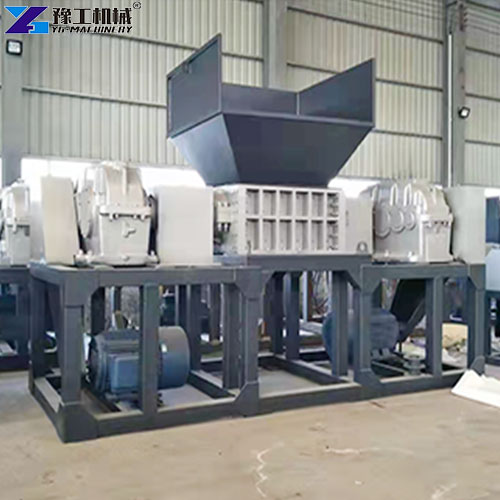
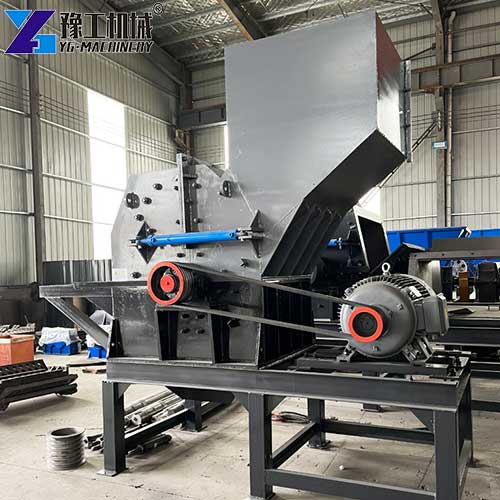
- Tyre Shredder: The tyre shredder is one of the key pieces of equipment in a tyre recycling production line. Its role is to crush waste tyres and separate the steel wire and fibers inside. Depending on the crushing requirements, tyre shredders are available in coarse and fine versions.
- Magnetic Separator: The magnetic separator uses a magnetic field to remove the steel wire generated during the tyre shredding process. There are two main types: permanent magnets and electromagnets.
- Fiber Separator: The fiber separator uses mechanical and chemical methods to separate fibers from shredded tyres, facilitating further processing and use.
- Rubber Powder Production Equipment: This equipment processes the rubber powder produced during the tyre shredding stage into regenerated rubber or other high-value products.
4 Steps of YG Tyre Recycling Lines Operation
The working principle of the tyre recycling line involves shredding, magnetic separation, fiber separation, and rubber powder production. The process separates the steel wire, fibers, and rubber from the tyres and reuses them in various ways:
- Waste tyres are shredded into smaller pieces by the shredder.
- The magnetic separator removes the steel wire.
- The fiber separator extracts the rubber fibers.
- The rubber powder production equipment processes the material into rubber powder, which is then turned into regenerated rubber or other high-value products.
5 Applications of Tire Recycling Lines
- Recycled Resource Factories: As an independent waste tyre processing center, this is the most direct application of the recycling line. By investing in the entire line, you can establish regional recycling hubs, managing the entire process from recycling to processing to selling regenerated materials, achieving a complete commercial operation.
- Municipal Environmental Projects: This serves urban or regional solid waste management facilities and specifically processes waste tyres from municipal vehicles and public transportation. It is a key facility in the government’s push for environmental policies and addressing “black pollution.”
- Rubber Products Enterprises: The recycling line provides low-cost, stable regenerated rubber powder/particles for manufacturers of rubber flooring, shock pads, seals, etc., enabling circular economies within businesses or supply chains, reducing raw material costs and carbon footprints.
- Road Construction Companies: The recycling line provides essential raw materials for suppliers producing rubber-modified asphalt. The fine rubber powder produced is a crucial material for building low-noise, high-durability rubber asphalt roads.
- Thermal Cracking Pretreatment Stations: This service supports continuous, large-scale tyre pyrolysis factories (for fuel oil and carbon black production) by pre-treating tyres into uniformly sized rubber blocks, significantly improving the efficiency and quality of the cracking process and oil production.
4 Prospects for Tyre Recycling Lines
- Efficiency Improvements: The future direction of efficient and energy-saving technology means that your production line will continue to reduce unit energy consumption and labor costs. Investing in advanced production lines locks in low operating costs for the coming years, building a strong cost advantage.
- Rising Resource Value: As resources become scarcer, recycled rubber and recovered steel wire are becoming “urban minerals.” The market demand and price for your recycled materials will continue to strengthen, ensuring stable and attractive sales revenue and investment returns.
- Market Entry and Brand Advantages: As environmental protection becomes a societal consensus, owning a standardized and advanced recycling line proves your corporate social responsibility. This helps win long-term contracts from governments and large enterprises, build a green brand, and gain premium pricing power.
- Transformation of Industry Status: Transitioning from being a “processor” to a resource “supplier,” your business will no longer be passive. As resource utilization rates increase, you can expand into high-value industries (such as fine rubber powder or modified asphalt), gaining pricing power and sharing in greater industry profits.