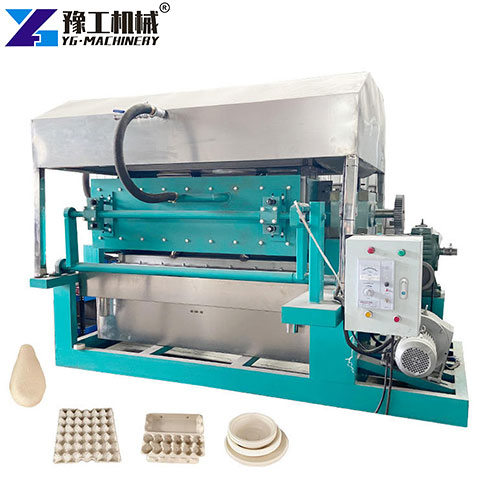
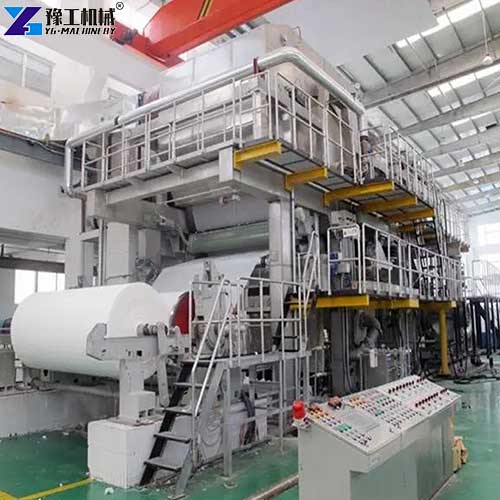
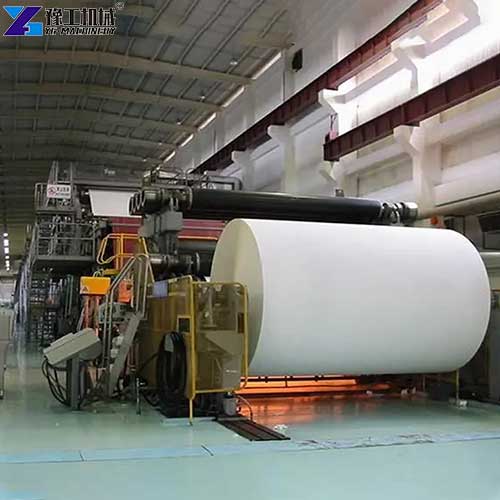
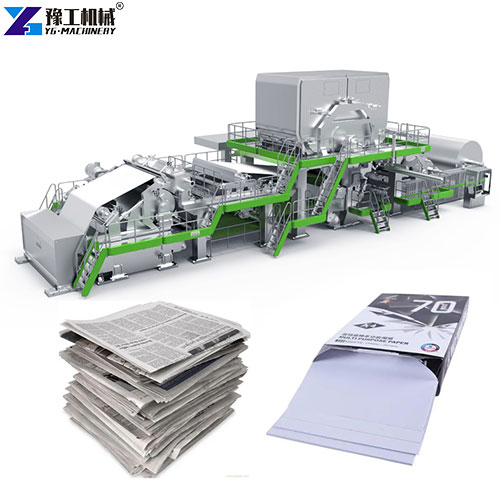
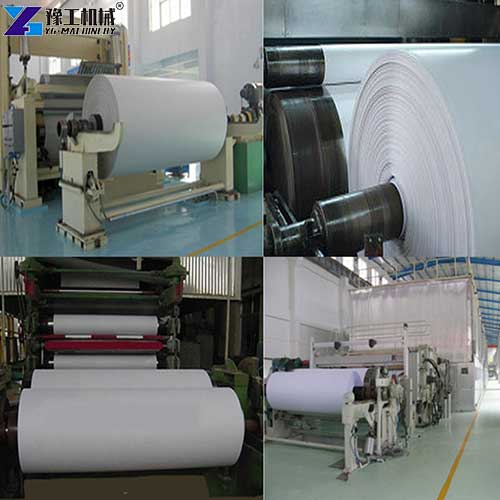
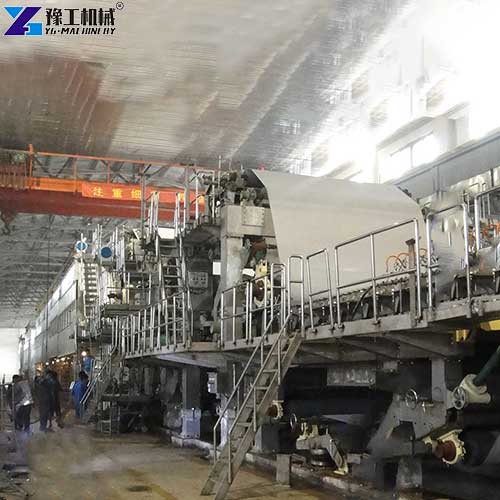
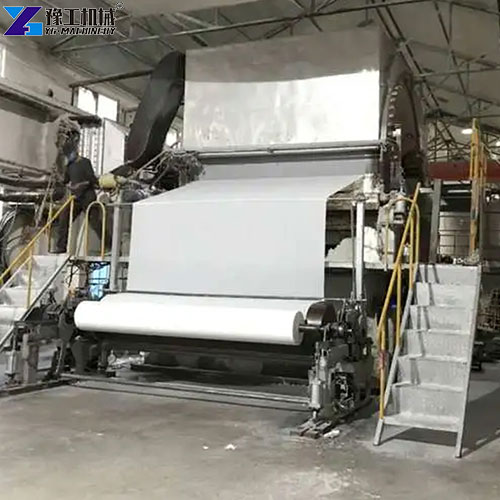
A small paper-making machine is a mechanical system used to process paper pulp into continuous paper sheets. Through the cooperation of multiple systems, water in the pulp is gradually removed until the final paper reaches the required thickness and strength. Modern paper machines usually include a headbox system, forming section, pressing section, drying section, rewinding system, and automatic control system. Different types of paper machines can produce different kinds of paper, such as kraft paper, toilet paper, corrugated paper, packaging paper, and cultural paper. A small paper making machine is widely used in paper mills, tissue paper factories, packaging companies, and recycling paper plants. Want to know more? Contact YG today for professional support and machine solutions. Modern manufacturers prefer a small paper-making machine because it offers stable production, easy operation, and lower investment costs for paper businesses.
Technical Parameter of YG Paper-Making Machine
| Main product | High-strength corrugated paper, Kraft paper |
| Basic weight | 100-220g/m2 |
| Trimmed width | 2400mm |
| Width on reel | 2450mm |
| Production | 30t/d |
| Width of wire | 2950mm |
| Working speed | 80-100m/min |
| Design speed | 150m/min |
| Center distance | 2400mm |
| Drive Type | AC frequency inverter sectional drive |
| Dryness: | |
| After wire section | 18-19% |
| After press section | 46-47% |
| Finish product | 92% |
6 Advantages of Paper-Making Machines
- High Production Efficiency: Modern paper-making machines support continuous production and can greatly increase paper output.
- Stable Paper Quality: The automatic control system helps maintain consistent paper thickness, smoothness, and moisture content. Lower Labor Costs: Mechanical production reduces manual work and improves overall production efficiency.
- High Automation Level: Modern equipment supports automatic adjustment and real-time monitoring, improving production stability.
- Wide Application Range: Different machine models can produce packaging paper, tissue paper, kraft paper, corrugated paper, and many other paper products.
- Lower Energy Consumption: High-quality machines usually adopt energy-saving designs, helping reduce operating costs.
- Stable Machine Operation: Core components are made from high-strength materials, making the machine suitable for long-term continuous operation.
6 Applications of the Small Paper-Making Machine
- Packaging Paper Production: The machine is widely used for producing kraft paper, corrugated paper, and industrial packaging paper.
- Tissue Paper Processing: It can produce toilet paper, napkins, facial tissue, and other household paper products.
- Cultural Paper Production: Suitable for office paper, printing paper, and writing paper manufacturing.
- Industrial Paper Manufacturing: The machine can also produce industrial filter paper, cable paper, and other special paper products.
- Food Packaging Industry: Many food packaging papers are produced using professional paper-making equipment.
- Recycled Paper Production: Waste paper can be recycled into new paper through the production process of a small paper-making machine.
10 Steps of Paper Pulp Production Process
- Raw Material Preparation: Paper production starts with raw materials such as wood, straw, and waste paper. The materials are cut, cleaned, and pretreated before pulping.
- Fiber Separation: The processed materials enter the cooking or grinding section. High-temperature cooking or mechanical grinding separates plant fibers and forms primary pulp.
- Washing and Screening: The pulp is washed and screened to remove black liquor, impurities, and unseparated fibers, improving pulp purity.
- Bleaching Process: According to paper production requirements, some pulp enters the bleaching process to improve paper brightness and color uniformity.
- Waste Paper Recycling Treatment: For recycled paper production, waste paper is crushed, cleaned, deinked, concentrated, and thermally dispersed into recycled pulp.
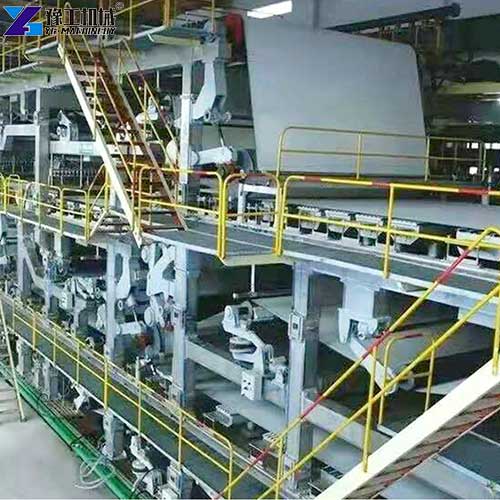
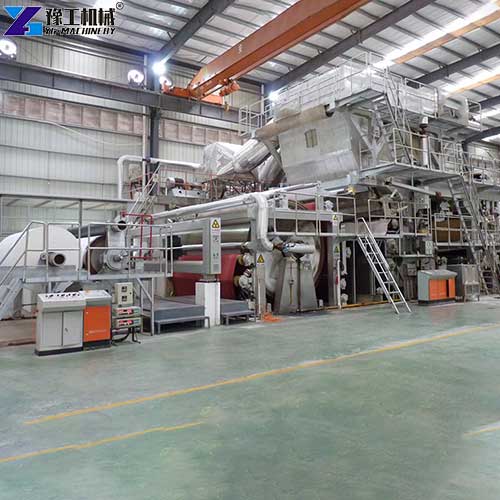
- Pulp Flow Forming: The prepared pulp enters the flow system and is evenly distributed onto the forming wire. Excess water is quickly filtered out, and wet paper sheets are formed.
- Press Dewatering: The wet paper enters the pressing section, where mechanical pressure removes more water and improves paper strength.
- Drying Process: The paper then enters the drying section. High-temperature drying cylinders remove the remaining moisture.
- Coating and Secondary Drying: Some papers require coating treatment to improve smoothness, waterproof ability, and printing performance, followed by secondary drying.
- Paper Rolling and Rewinding: Finished paper is rolled into large paper rolls and rewound into different sizes before packaging and storage.
7 Steps of Kraft Paper Production
YG machines can produce kraft paper, toilet paper, corrugated paper, and many other paper products. Different papers require different machine configurations. Below is the Kraft paper production process.
- Waste Paper Pulping: Kraft paper production mainly uses waste paper as raw material. Waste paper enters the pulper, where it is mixed and broken into pulp fibers.
- Pulp Screening and Cleaning: The pulp passes through vibrating screens and sand removal equipment to remove plastic, metal, sand, and other impurities.
- Pulp Storage and Transportation: The cleaned pulp is stored in pulp tanks and then transported to the next process by pulp pumps.
- Bleaching and Refining: Some pulp enters the bleaching machine for color treatment. Refining equipment further improves fiber quality and paper strength.
- Pressure Screening and Forming: The pulp passes through a pressure screen for fine filtration and then enters the forming system. Water gradually separates from the pulp to form wet paper layers.
- Pressing and Drying: The wet paper passes through rollers and felt blankets for dewatering and then enters the drying system for high-temperature drying.
- Paper Rolling: The dried paper is automatically rolled into large paper rolls and processed into finished kraft paper products.
Why More Companies Choose Small Paper Making Machines
- Higher Production Efficiency: Modern paper machines support continuous automatic production and greatly improve daily output compared with traditional manual production.
- Lower Labor Costs: Automatic production lines reduce manual work. One production line can complete pulping, forming, pressing, and drying processes.
- More Stable Paper Quality: Modern equipment uses intelligent control systems to precisely control paper thickness, moisture content, and smoothness.
- Wide Product Range: Different machine models can produce kraft paper, toilet paper, corrugated paper, cultural paper, and industrial paper.
- Better Environmental Protection: Modern paper equipment focuses on energy saving, water saving, and waste paper recycling to reduce pollution and operating costs.
6 FAQs about YG Small Paper Making Machines
A: Usually, 2-3 workers are enough to operate a small paper-making machine production line.
A: The production capacity is about 2.5 tons per 8 hours.
A: Semi-automatic machines are suitable for 20GP container loading, while fully automatic machines require 40GP containers.
A: Semi-automatic machines require around 50 square meters, while fully automatic machines require around 100 square meters of workshop space.
A: Yes. Spare blades for rewinders, cutting machines, and packaging machines can be provided when you place an order.
A: The delivery time is usually 20-30 days.
If you are considering the paper manufacturing machine cost, YG can provide customized solutions according to your production needs and budget. Whether you need kraft paper production, tissue paper manufacturing, or recycling paper production, our paper-making machine solutions can help improve your business efficiency and production capacity. Please contact YG today.