
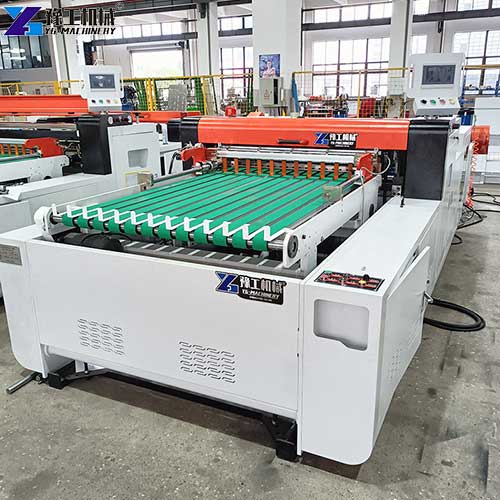
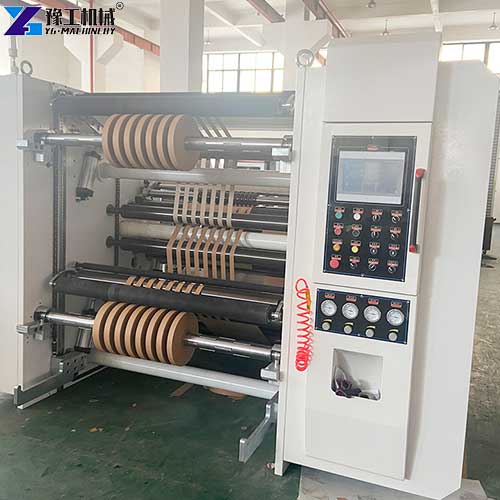
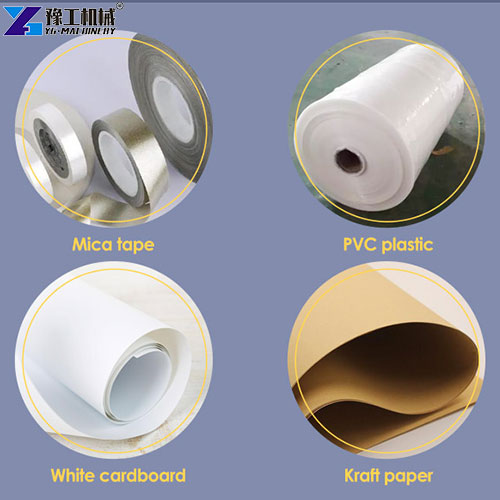
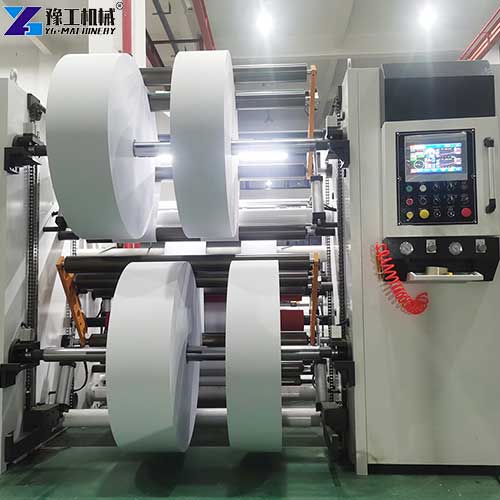
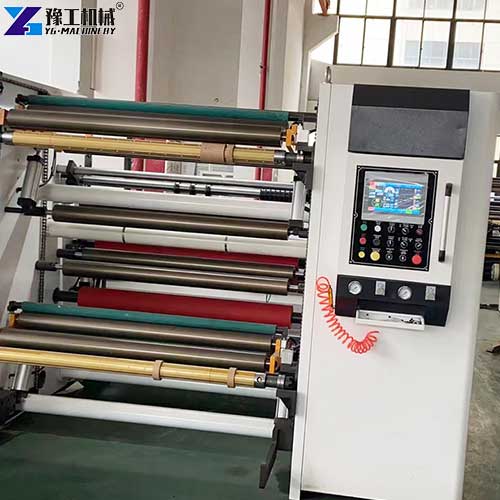
A slitting cutting machine is an essential converting solution designed to cut large rolls of materials into smaller, precise widths for further processing or packaging. It is widely used for paper, plastic films, aluminum foil, and other flexible materials across industries such as packaging, printing, and electronics. Modern slitting machines are equipped with automatic tension control, web guiding systems, and high-precision cutting blades to ensure consistent performance and minimal material waste. With stable operation and high-speed capability, they significantly improve production efficiency while maintaining product quality. Whether for small-scale production or large industrial applications, a slitting machine offers flexibility, reliability, and cost-effectiveness. It helps manufacturers streamline workflows, reduce labor dependency, and achieve accurate, uniform finished rolls, making it a key investment for businesses looking to enhance productivity and competitiveness.
YG Paper Slitting and Rewinding Machine Parameter
| Model | YG- 1300 | YG- 1600 | YG- 1800 |
| Max width | 1300mm | 1600mm | 1800mm |
| Max Diameter for unwinding | ¢1400mm | ¢1400mm | ¢1400mm |
| Min width of slitting | 30mm | 30mm | 30mm |
| Max Diameter of rewinding | ¢1000mm | ¢1000mm | ¢1000mm |
| Speed | ≤350m/min | ≤350m/min | ≤350m/min |
| Total Power | 24kw | 26kw | 30kw |
| Power supply | 380V/50hz | 380V/50hz | 380V/50hz |
| Weight | 4000kg | 4500kg | 5500kg |
| Overall dimension(LxWxH) | 3300x3150x1930(mm) | 3300x3450x1930(mm) | 3300x3650x1930(mm) |
Case Study 1 – Argentina Packaging Material Processor
Client Background
The first client is a production supervisor at a mid-sized packaging materials company in Argentina. The company mainly processes plastic films and laminated materials used in food packaging and industrial wrapping. They operate with around 25–35 workers and handle continuous orders from local food manufacturers and distributors. Their production line relies heavily on roll processing, making slitting accuracy and efficiency critical to their operations.
Challenges
- Inconsistent slitting width during high-speed operation
- Frequent manual adjustments required by operators
- Material waste due to edge defects and uneven cutting
- Limited production speed affecting delivery timelines
- Difficulty handling thinner film materials without wrinkling
Before introducing new equipment, the company used a semi-automatic slitting cutting machine that had been in service for several years. While functional, it created several limitations:
As order volume increased, these issues began to affect both production efficiency and customer satisfaction.
Solution
After evaluating their requirements, we recommended upgrading to an auto slitting machine designed for flexible packaging materials.
The configuration included:
- Automatic tension control system for stable material feeding
- Precision circular blade system for clean and consistent cutting
- Web guiding system to prevent material deviation
- Dual rewinding shafts for efficient roll collection
We also provided:
- Remote installation guidance
- Operator training videos
- Initial production setup support
The goal was to improve consistency while reducing operator dependency.
Results
After implementing the new auto slitting machine in their production line:
- Slitting consistency improved, with fewer width deviations observed
- Production efficiency increased by approximately 30–40%
- Material waste was reduced due to cleaner edges and fewer defects
- Operators required less manual intervention during operation
- The machine handled both standard and thinner film materials more reliably
The company was able to meet delivery schedules more consistently and reduce internal reprocessing.
Client Feedback
“The new auto slitting machine made our production more stable. We spend less time adjusting the machine, and the output quality is more consistent. It’s especially helpful when working with thinner materials, where our old machine struggled.”
Case Study 2 – Portugal Paper Converting Company
Client Background
The second client is a business owner of a small-to-medium paper converting company in Portugal, specializing in thermal paper products such as POS rolls and receipt paper. The company supplies local retail chains, supermarkets, and small distributors. Their team is relatively compact, with around 10–15 workers, focusing on efficiency and product consistency.
Challenges
Before upgrading equipment, the client used a basic thermal paper slitting machine, which presented several issues:
- Uneven roll edges are affecting the final product’s appearance
- Inconsistent rewinding tension leading to loose rolls
- Limited speed, restricting overall output capacity
- Difficulty maintaining consistent quality across batches
- Increasing demand that exceeded current production capabilities
As competition in the thermal paper market increased, the client needed a more reliable and efficient solution.
Solution
We recommended a customized thermal paper slitting machine integrated with auto slitting machine features to improve automation and consistency.
Key features included:
- Precision slitting blades designed for thermal paper
- Automatic tension control for stable rewinding
- Compact design suitable for small production spaces
- User-friendly control interface for easy operation
- Stable rewinding system to ensure tight and uniform rolls
We also provided operational guidance and remote support during initial setup.
Results
After introducing the upgraded thermal paper slitting machine:
- Roll consistency improved, with smoother edges and better alignment
- Rewinding quality became more stable, reducing loose or uneven rolls
- Production speed increased by around 25–35%
- The company was able to handle more orders without increasing the workforce
- Product quality became more consistent, improving customer satisfaction
The client gradually expanded their supply to additional local distributors.
Client Feedback
“This thermal paper slitting machine helped us improve both quality and efficiency. The rolls are more consistent, and we can produce more in the same amount of time. It fits well with our production scale and is easy for our team to operate.”