
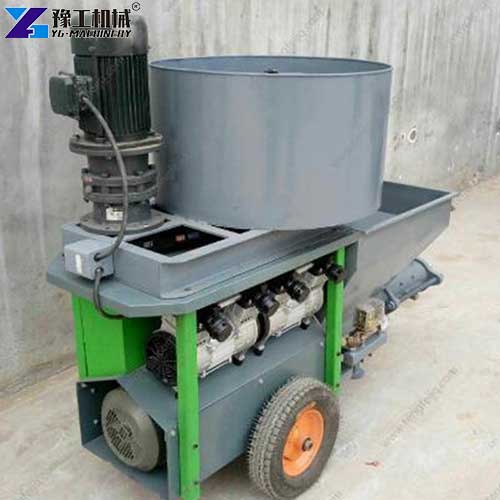
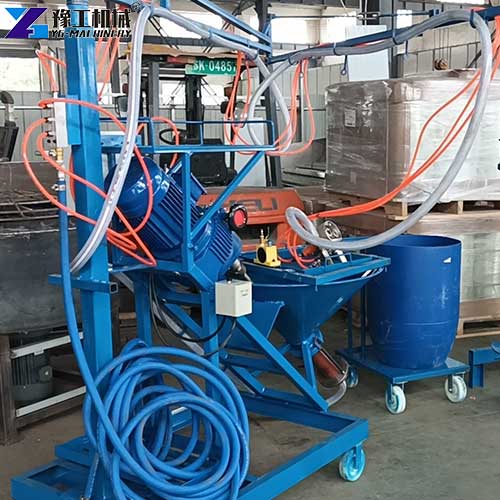
In the construction and decorative manufacturing industry, GRC spraying machines and cement mortar spray machines are frequently confused by buyers. Though both devices rely on screw pump feeding and compressed air spraying technology, they are fundamentally different pieces of equipment with separate design logic, applicable raw materials, working principles, production goals, and application fields. The former belongs to professional GRC equipment and GRC machines dedicated to producing Glass Fiber Reinforced Concrete decorative components, while the latter is wall construction machinery for on-site plastering and infrastructure repair. This article will make a comprehensive multi-dimensional comparison between the two machines, clarify their core distinctions, analyze their respective features, suitable projects, and help purchasers select the right machine according to actual production needs. All comparison standards are derived from the official product dimension comparison table, covering definition, core function, applicable materials, working principle, application scenarios, prominent advantages, cost & labor efficiency, maintenance difficulty, target customer groups, and purchase suggestions.
I. Parameters
GRC Spraying Machine Parameters
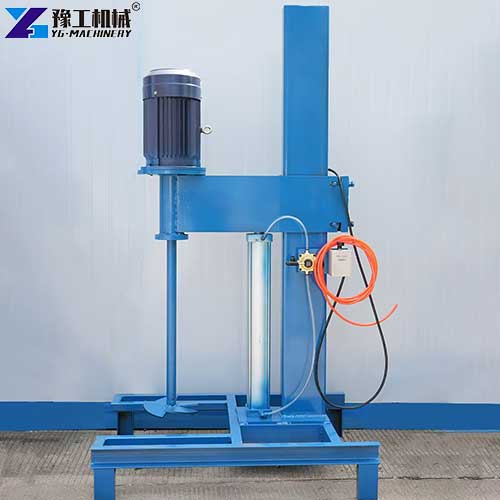
| Item | GRC spray machine | Mixer |
| Solution 1 | 2.2kw | 1.5kw |
| Solution 2 | 3.0kw | 1.5kw |
| Solution 3 | 3.0kw | 2.2kw |
| Solution 4 | 4.0kw | 2.2kw |
| Solution 5 | 4.0kw | 5.5kw |
YG Mortar Spraying Machine Parameter
| Model | YG311 | YG318 | YG500 | YG711 |
| Greatest Pressure | 3Mpa | 3Mpa | 3Mpa | 3Mpa |
| Capacity | 3㎡/h | 3㎡/h | 3㎡-4㎡/h | 4㎡/h |
| Applicable material ratio(water, ash, sand) | 0.7-1:1:3 | 0.7-1:1:3 | 0.7-1:1:3 | 0.7-1:1:3 |
| Main motor power | 4KW | 7.5KW | 8hp/12hp | 7.5KWstrength |
| Particle Size | ≤4mm | ≤8mm | ≤8mm | ≤8mm |
| Conveying Distance | H:30m/V:20m | H:50m/V:30m | H:50m/V:30m | H:50m/V:30m |
| Hopper Volume | 60L | 80L | 80L | 100L |
| The diameter of the feed delivers the pipe | 32mm | 32mm | 32mm | 32mm |
| Weight | 200KG | 320KG | 320KG | 320KG |
II. Core Functional Difference
1 Core Function of GRC Spraying Machine
The core function of the GRC spraying machine is synchronous mixing and integrated molding: the spray gun instantly blends cement mortar and short-cut glass fiber roving, then sprays the composite material into custom molds. After layered spraying and compaction, operators can produce high-strength, lightweight building decorative components with complex, irregular shapes. The glass fiber inside the finished parts greatly improves the tensile strength, bending resistance, and toughness of the GRC products, which is the core production demand that this GRC machine solves. Without the fiber mixing function, qualified GFRC components cannot be manufactured.
2 Core Function of Cement Mortar Spray Machine
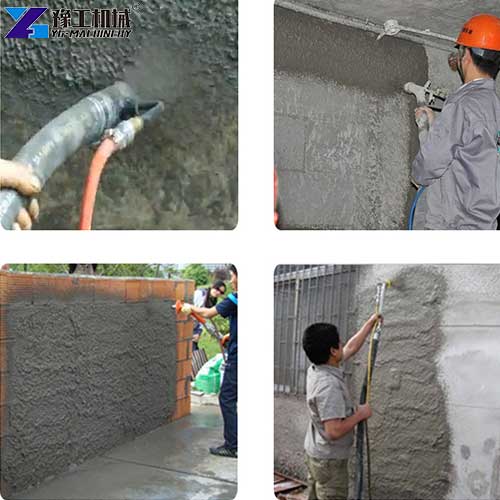
The core function of the cement mortar spray machine (cement plaster spray machine) is high-efficiency surface coating. It delivers pre-stirred pure mortar evenly to walls, floors, tunnels and other base layers. Its main construction purposes include wall plastering, surface leveling, structural reinforcement, crack repair and waterproof base construction. It only sprays single mortar material without any fiber adding process, and the finished surface directly serves as the building base layer without secondary mold forming steps.
III. Applicable Raw Materials Comparison
1 Materials Supported by GRC Spraying Machine
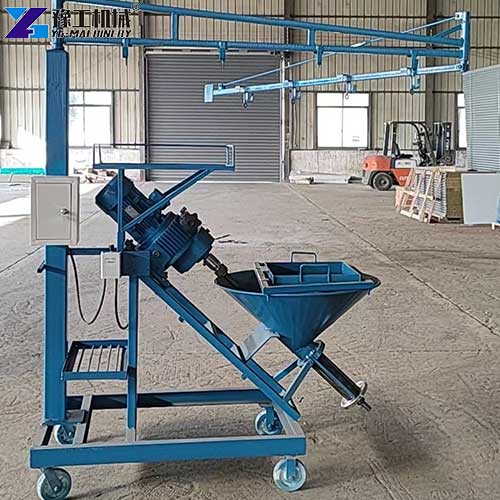
The exclusive matching raw material formula of the GRC spraying machine is cement mortar mixed with alkali-free glass fiber roving as reinforcement material. The machine has two independent feeding channels to handle the two materials separately: one channel transports liquid cement mortar, the other cuts long glass fiber rolls into uniform short filaments and conveys them to the spray gun. This GRC equipment cannot work normally without glass fiber supplies, and it is not designed to process single pure mortar for wall plastering.
2 Materials Supported by Cement Mortar Spray Machine
The cement mortar spray machine (cement plaster spray machine) is compatible with various granular and paste-like single mortar materials, with no fiber mixing function at all. Its applicable materials cover ordinary cement mortar, dry powder mortar, thermal insulation mortar, waterproof mortar, fireproof mortar, putty powder, and other coating pastes. All materials put into the machine are fully pre-mixed in advance, and there is no need to add any fiber materials during the spraying operation.
IV. Internal Working Principle Contrast
1. Working Principle of GRC Spraying Machine
The GRC spraying machine adopts the unique dual-tube mixed spraying principle:
- A screw pump transports cement mortar through the first hose.
- A built-in independent high-speed chopper cuts glass fiber roving into fixed-length filaments, then compressed air sends chopped fibers through the second dedicated air tube.
- The mortar stream and glass fiber strands converge completely inside the spray gun head.
- Compressed air atomizes the mixed composite material and sprays it evenly into production molds.
The whole process separates the transportation paths of mortar and fiber until the nozzle, which avoids fiber tangling inside the pump and pipelines, and ensures uniform fiber distribution inside every layer of GRC products. This dual-channel design is the biggest structural difference between this GRC machine and ordinary plaster machines.
2 Working Principle of Cement Mortar Spray Machine
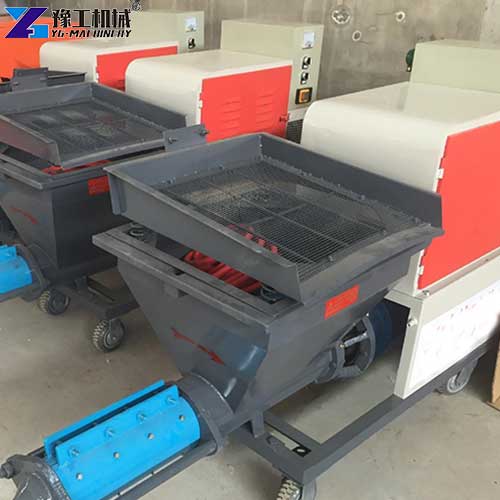
The working principle of the cement mortar spray machine (cement plaster spray machine) is a single-channel mortar pressurized conveying:
- Workers pour fully pre-mixed single mortar into the feeding hopper;
- Screw pump or plunger pump pressurizes the mortar and transports it through a single delivery hose.
- Compressed air provides auxiliary atomization at the spray gun outlet.
- The pure mortar is sprayed directly onto building walls or ground base surfaces.
There is no separate fiber cutting module or secondary feeding pipeline on this machine. The whole conveying system only handles pre-blended mortar, so the internal mechanical structure is much simpler than full set GRC equipment.
V. Main Application Scenarios
1 Application Scenarios of GRC Spraying Machine
All application fields of the GRC spraying machine center on manufacturing prefabricated decorative GRC components in factories, without on-site wall plastering work:
- Mass production of European-style architectural decorative moldings, wall lines, and cornices;
- Manufacturing Roman columns, half columns, and decorative column capitals for villas and commercial buildings;
- Production of exterior wall decorative cladding panels and simulated stone facade boards;
- Processing landscape sculptures, artificial rockeries, imitation stone crafts, and garden small ornaments;
- Manufacturing 3D relief wall panels, background walls, and ceiling decorative modules for luxury interior decoration;
- Producing replica decorative parts for ancient architecture and cultural relic restoration projects;
- Custom production of oversized outdoor decorative sculptures for theme parks and scenic spots;
- On-site mobile spraying of large-scale fixed decorative structures on construction sites.
All finished products need to be cured inside molds before installation, which is the typical production characteristic of this kind of GRC machine.
2 Application Scenarios of Cement Mortar Spray Machine
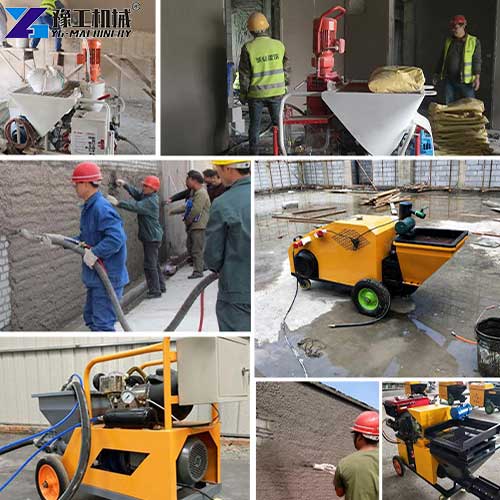
The application scenarios of the cement mortar spray machine (cement plaster spray machine) focus entirely on on-site building construction and infrastructure maintenance, with no mold production links:
- Indoor and exterior wall plastering of residential buildings, office buildings, and shopping malls;
- Surface leveling and base treatment of concrete floors;
- Mortar reinforcement, lining repair, and crack filling of highway tunnels and railway tunnels;
- Dam surface anti-seepage reinforcement and slope protection mortar spraying for water conservancy projects;
- Basement wall waterproof base spraying and underground space moisture-proof construction;
- Road surface crack repair, bridge concrete surface repair, and structural reinforcement;
- Factory workshop fireproof mortar spraying and thermal insulation layer construction;
- Old building wall renovation, surface putty spraying, and old wall leveling work.
All construction work is finished directly on the existing building base, without mold-forming procedures.
VI. Highlighted Advantages & Performance Characteristics
1. Core Advantages of GRC Spraying Machine
- Ultra-strong molding capacity: The dual-channel fiber mixing technology can manufacture lightweight products with complex curved and irregular shapes that cannot be completed by manual laying or ordinary plaster machines.
- Excellent finished product mechanical performance: Uniformly distributed glass fiber greatly improves the tensile strength, anti-crack performance, and impact toughness of GRC components, avoiding surface cracking during long-term outdoor use.
- Stable product consistency: Automatic fiber cutting and synchronous spraying ensure even fiber content inside every batch of components, unifying product quality and reducing the defective rate.
- High production efficiency for prefabricated parts: One complete set of GRC equipment can replace 6 to 10 manual workers engaged in hand lay-up GRC production, cutting factory labor costs significantly.
- Modular movable frame: Equipped with heavy-duty universal casters, factories can move the whole machine between multiple mold stations conveniently.
- Adjustable fiber cutting length: The built-in chopper supports adjustable cutting speed to change fiber length, matching different strength standards of various decorative components.
- Independent anti-blockage pipeline design: Separate mortar and fiber transport paths effectively reduce pipeline blockage and lower daily maintenance frequency.
2. Core Advantages of Cement Mortar Spray Machine
- Outstanding on-site construction efficiency: One set of cement plaster spray machine can finish 150 square meters of wall surface per hour under 2cm coating thickness, with construction speed 5–8 times faster than pure manual plastering;
- Wide material compatibility: It can handle almost all common construction mortar and coating materials, meeting multiple construction needs of a single construction team.
- Compact portable body: Small overall volume with moving wheels, convenient for transportation to narrow construction spaces such as basements and tunnel interiors;
- Simple operation and low training threshold: New construction workers can master the complete operation steps within half an hour, without learning complex fiber parameter adjustment.
- Low daily maintenance difficulty: No fiber chopping parts to clean; operators only need to flush the pump and single pipeline with clean water after daily construction, and cleaning work takes less than 15 minutes;
- Cost-effective equipment investment: The overall manufacturing structure is simpler than full set GRC spraying machine, so the initial purchase cost is lower for construction contractors.
- Flexible control modes: Equipped with both an electric cabinet switch and a remote spray gun control switch, operators can start or pause spraying without walking back to the main machine unit.
VII. Labor Input, Production Output & Cost Analysis
1. GRC Spraying Machine
A complete set of GRC machines requires 3–4 professional operators to complete the whole production flow: one worker feeds mortar, one worker monitors fiber chopping parameters, one worker holds the spray gun to layer-spray molds, and one worker compacts fresh-sprayed layers with rollers. Its output is calculated by the number of finished GRC components per hour, instead of the square meter area. The machine’s initial purchase price is higher because of the extra fiber chopping system and dual-channel pipeline components, and regular replacement of fiber cutting blades brings minor daily consumable costs. It is a long-term production investment for decorative parts factories.
2. Cement Mortar Spray Machine
Only 3 ordinary construction workers are required to operate one cement mortar spray machine (cement plaster spray machine): one worker mixes raw mortar, one worker pours materials into the hopper, and one worker holds the spray gun to finish wall spraying. Its output is measured by spraying area, reaching 150㎡ per hour under standard 2cm thickness. Without fiber cutting modules and corresponding consumables, its daily running cost is lower. It is a short-term construction tool investment for engineering teams and renovation contractors.
VIII. Maintenance Complexity Comparison
1. Maintenance of GRC Spraying Machine
The maintenance work of the GRC spraying machine contains two parts: mortar pipeline cleaning and fiber chopping component maintenance. After daily production, operators need to flush the dual hoses, the screw pump, and the spray gun with clean water to clear residual mortar. Besides, the fiber chopping blade must be disassembled, cleaned, and lubricated regularly to guarantee smooth fiber cutting. The whole cleaning and maintenance process takes about 30 minutes every day, and the cutting blades are regular wearing parts that need periodic replacement.
2. Maintenance of Cement Mortar Spray Machine
Maintenance of the cement mortar spray machine is much simpler. There is only one single mortar pipeline system to clean after construction. Workers inject clean water into the hopper and run the machine for 10–15 minutes to wash residual mortar out of the pump and hose. No fiber cutting accessories need disassembly or lubrication, and its wearing parts only include pump rotor, sealing rings and spray gun nozzles with long replacement cycles.
VX. Suitable Target Buyers
1. Target Buyers of GRC Spraying Machine
- Professional GRC decorative component manufacturing factories;
- Stone imitation craft production plants and landscape sculpture factories;
- Prefabricated building exterior wall panel production enterprises;
- Ancient architecture restoration companies and scenic spot decorative parts manufacturers;
- Overseas export-oriented GFRC product factories (export to France, UK, Thailand, and other regions).
All buyers need a stable mass production demand for fiber-reinforced concrete components, and they must choose dedicated GRC equipment or a GRC machine. An ordinary cement plaster spray machine cannot meet their production requirements.
2. Target Buyers of Cement Mortar Spray Machine
- Residential construction contractors and commercial building construction teams;
- Old building renovation companies and interior decoration engineering teams;
- Infrastructure construction enterprises engaged in tunnel, bridge, and water conservancy projects;
- Road maintenance companies and basement waterproofing construction teams;
- Small decoration workshops focusing on indoor wall putty and plaster work.
These buyers only carry out on-site wall and base surface spraying construction without producing mold-cast fiber reinforced components, so the low-cost cement mortar spray machine (cement plaster spray machine) fully matches their construction needs.
X Purchase Suggestions Based on Production Demand
1. When You Should Choose GRC Spraying Machine
If your business focuses on factory production of European moldings, Roman columns, landscape sculptures, imitation stone facade panels, and other GFRC decorative components, you must purchase a professional GRC spraying machine. Do not choose a cheaper cement plaster spray machine to save budget, as the latter lacks the fiber mixing module and cannot produce qualified GRC products, which will cause massive waste of raw materials and production time. Select complete sets of standardized GRC equipment with adjustable fiber chopping length and anti-blockage dual-channel pipeline design.
2. When You Should Choose Cement Mortar Spray Machine
If your core business is on-site building wall plastering, tunnel reinforcement, road repair, basement waterproofing, and other infrastructure construction work, the cement mortar spray machine (cement plaster spray machine) is your ideal choice. It has a low purchase cost, simple operation, and easy maintenance, which can greatly improve your on-site construction efficiency and cut labor expenditure. There is no need to invest extra money in the fiber chopping function of a full GRC machine, since you will never use the fiber mixing module during construction.
To sum up, the GRC spraying machine (professional GRC machine / GRC equipment) and cement mortar spray machine (cement plaster spray machine) are two kinds of construction machinery with completely different design purposes, raw material compatibility, working principles, and application ranges. The GRC spraying machine serves factory prefabricated GFRC component production, relying on dual-channel mortar and glass fiber synchronous mixing technology to manufacture high-strength complex decorative parts. The cement mortar spray machine focuses on on-site building base surface plastering and infrastructure repair, only transporting pre-mixed pure mortar through a single pipeline system without any fiber processing function.