
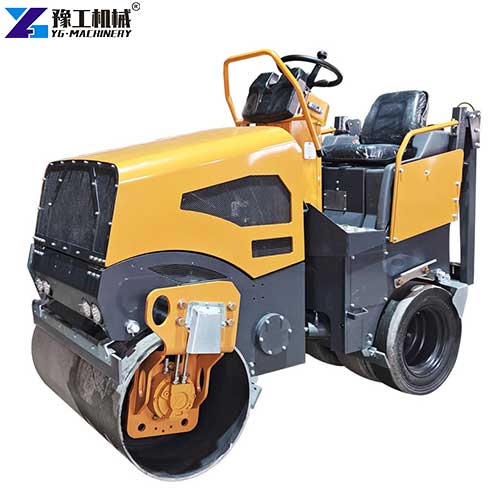
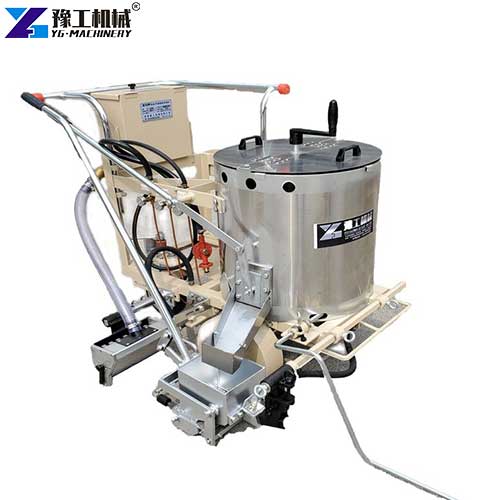
In the field of sophisticated modern road construction and maintenance, the small road roller stands out as core equipment for narrow and complex work areas, thanks to its outstanding flexibility and efficient compaction performance. It is not a simply downsized version of large machinery, but an optimized solution tailored for asphalt pavement repair, trench backfilling, sidewalk paving, and other operations. Its key advantage is accessing confined spaces unreachable by large devices. Vibration compaction technology, it creates a solid, flat, and dense base for subsequent construction processes. This guide focuses on how the “specialist for narrow spaces” works together with the “road marking tool” — the thermoplastic striping machine- to produce long-lasting road markings with excellent reflective performance.
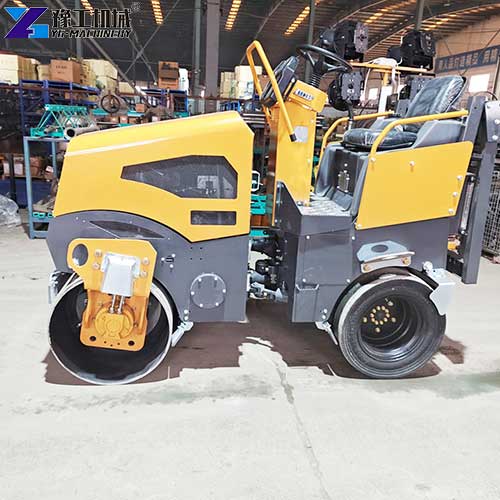
Mini Road Roller Parameter
| Model | YG-600S | YG-600D | YG-850 | YG-880 |
| Type | Walk-behind | Walk-behind | Ride-on | Ride-on |
| Drum number | 1 | 2 | 2 | 2 |
| Engine power | 5.5Hp | 6.0Hp | 6.0Hp | 25Hp |
| Walking speed | 2.4km/h | 0-4km/h | 0-4km/h | 0-5km/h |
| Walking type | Two-side | Two-side | Two-side | Two-side |
| Drive Type | Hydraulic | Hydraulic | Diesel | Hydraulic |
| Drum size | 426*600 | 426*600 | 580*700 | 800*850 |
| Vibrate force | 15KN | 25KN | 35KN | 50KN |
| Climbing ability | 25% | 30% | 30% | 30% |
| Weight | 330kg | 550kg | 750kg |
I. Three Core Reasons for Combining Road Roller and Thermoplastic Striping Machine
Many construction teams regard road marking as a final independent procedure, ignoring that the base condition fundamentally determines the service life of markings. A proper combination of road roller and a thermoplastic paint machine is the key to solving early damage and peeling of road markings.
1. Build a Solid Base for Strong Adhesion
The long service life of thermoplastic markings relies firstly on firm mechanical engagement and chemical bonding with the road base. Old line removal (milling, heat burning) and partial pavement repair will disturb the surface structure, leaving loose fine particles and uneven surfaces. Timely compaction with the small road roller compacts surface aggregates and removes loose parts, forming a solid, dense, and clean interface. This sturdy base maximizes the contact area and interlocking force between the thermoplastic coating and pavement. It fundamentally prevents poor adhesion caused by loose base and ensures markings stay intact without peeling off.
2. Eliminate Hidden Pavement Defects to Avoid Secondary Damage
Microcracks, pits, and uneven spots on the road will form stress concentration points once covered by thermoplastic markings. Under repeated vehicle loads, these defects will expand gradually, leading to cracking and large-area peeling of markings. Compaction with road rollers before marking closes microcracks and stabilizes joints between repair materials and old pavement, improving the overall uniformity and integrity of the base. It acts like a smooth and tough canvas for markings, avoiding secondary damage caused by inherent base flaws and greatly extending the service life of road lines.
3. Improve Construction Efficiency and Finishing Quality
A well-compacted and flat working surface allows the thermoplastic striping machine to move steadily at a constant speed. The marking shoe keeps even contact with the pavement, ensuring smooth material output and consistent coating thickness of 1.5-1.8 mm. On the contrary, marking on loose and bumpy ground easily causes coating accumulation, uneven thickness, and uneven distribution of glass beads, which undermines the reflection effect and line appearance. Compaction prior to marking is a necessary step to guarantee high-standard construction efficiency and a perfect visual effect.
Purchase Recommendation
If you pursue superior marking quality and want to cut frequent maintenance costs for your projects in the long run, investing in a reliable YG small road roller to work with your thermoplastic striping machine is a wise choice. This matched equipment set will help you build a professional reputation and win more high-end projects. You can also learn about the favorable mini road roller price to make a cost-effective purchase.
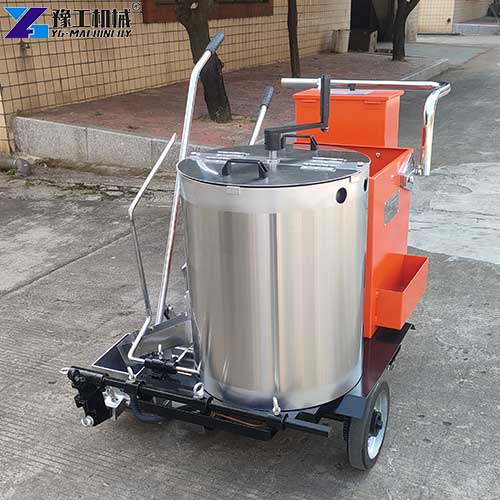
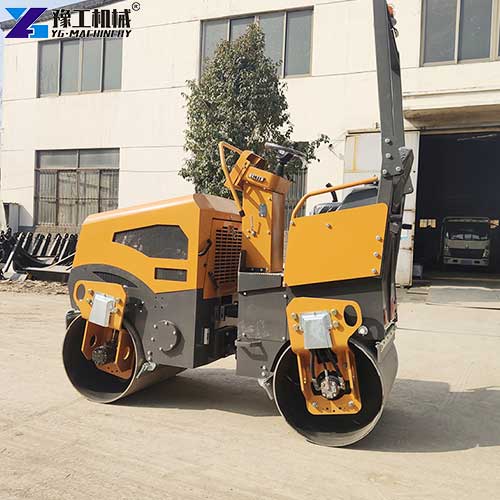
II. Detailed Cooperative Workflow: A Complete Cycle from Preparation to Completion
Step 1: Preprocessing and Compaction of Marking Area
Work content: Remove old road markings and repair pavement defects such as potholes.
Role of road roller: Compact the processed area immediately. Adopt a 1-3 ton double-drum vibratory road roller (e.g., YG-600D) with 1 to 2 passes of static compaction or low-amplitude vibration. The target is to stabilize the surface instead of over-compacting it. This step lays a solid foundation for the whole cooperative work.
Step 2: Base Cleaning and Drying
Work content: Thoroughly clear dust, debris, and moisture on the compacted pavement using high-power blowers or sweepers.
Cooperation points: The solid and smooth surface formed by compaction enables more thorough and efficient cleaning with no residual loose particles, creating ideal conditions for prime coat adhesion.
Step 3: Thermoplastic Marking Construction
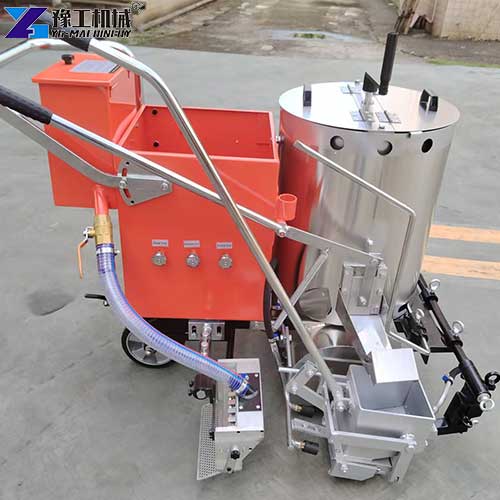
Role of marking machine: Apply the prime coat as required. Start the thermoplastic paint machine after the prime coat has dried to the touch. Molten coating is spread evenly via the marking shoe, with reflective glass beads scattered simultaneously. The coating cools and hardens rapidly on the cool and solid compacted surface.
Cooperation points: The stable base ensures even heat transfer and accelerates coating curing. The markings can reach traffic-bearing strength within 3 to 5 minutes.
Step 4. Initial Protection of New Markings and Site Arrangement
Cooperation points: Plan equipment routes and working zones reasonably during construction. Make sure vibration generated by the road roller working in other areas will not damage newly laid markings, which are still curing. Clear traffic guidance and working area isolation are essential for safe cooperative operation.
To learn more about road rollers and thermoplastic paint machines, please click on Road Roller, Thermoplastic Line Marking Machine.
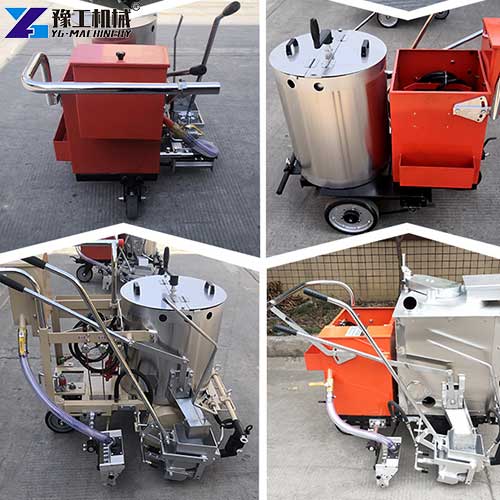
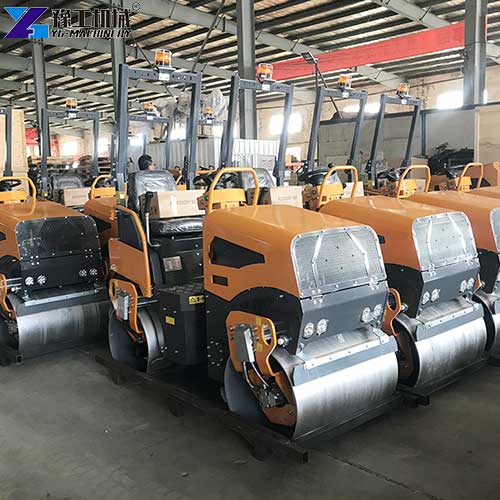
III. 5 FAQs for Road Roller & Thermoplastic Marking Machine Combined Construction
A: Yes. Rollers compact the base pavement in advance; after concrete/asphalt curing, marking equipment starts construction sequentially without mutual interference.
A: Compaction eliminates loose pavement grains; a cleaned flat base helps primer stick firmly and avoids later marking peeling off from loose ground.
A: After cleaning and full surface drying, apply prime coat first; begin thermoplastic marking once the primer is dry to the touch, no fixed waiting hours, but must avoid residual surface moisture.
A: On stable compacted ground, thermoplastic marking gains usable traffic strength within 3–5 minutes after construction for quick road opening.
A: Separate roller working zones and marking areas with clear isolation; arrange the construction sequence to keep rolling far away from newly finished markings.