
With the rapid growth of the electric vehicle industry, EV charging piles have become essential supporting facilities for daily travel, commercial operation and public service. When planning to install charging equipment, most users will face a core choice: pick an EV AC charger or a DC fast charger for electric vehicles? AC and DC chargers differ greatly in charging speed, working principle, installation conditions, investment budget and application scenarios. Many buyers also pay close attention to the DC fast charger price and the overall DC fast charger cost during selection. This blog will make a comprehensive comparison between AC and DC charging piles, analyze their respective advantages, applicable scenarios, and selection tips, to help you pick the most suitable charging equipment according to actual demands. If you are interested, please contact YG for a discount.
DC EV Charger Parameter
| Place of Origin | Henan, China |
| Model | DC EV CHARGER |
| Brand Name | YUGONG |
| Interface Standard | 7-inch LCD Colorful Display,Touch screen |
| Charging Mode | Auto charging; Power setting;Time setting ;Cost setting |
| Single Gun Output Current | 0-125A//0-250A |
| Output Power | YG02-DC-60/80/120/160/180/240/320KW |
| Input Voltage | 3phase |
| Input Frequency | 45-65Hz |
| Output Voltage | 200-1000V |
| Gun Cable Length | 5M |
| Charging gun type | CCS1, CCS2, CHADEMO, GBT for your choice |
| Function | 1.Plug and Charge 2.RFID Card 3. OCPP 1.6 |
| Dimenslons | 1700*902*510mm |
| Protection level | IP54 |
| Safety Function | Over Voltage Protection, Under Voltage Protection, Overload Protection, Short Circuit Protection, Ground Protection, Over Temperature Protection, Low Temperature Protection, Insulation Monitoring Protection, Reverse Polarity Protection, Lightning Protection, Emergency Stop Protection, Leakage Protection |
AC Fast Charger for EV Parameter
| Items | Details | |||
| Input Voltage(supportcustomize) | AC220,50HZ, single phase | AC380,50HZ, 3Phase | AC380,50HZ, 3Phase | AC220,50HZ, single phase |
| Current | 32A | 16A | 32A | 64A |
| Charging gun number | Single | Single | Single | Double |
| Output Powe | 7kw | 11kw | 22kw | 7kw*2 |
| Charging gun type | Type1/Type2/GBT for your choice | |||
| Installation way | Wall Mount//Column Mount(column buyer prepare) | |||
| Material | Sheet metal spray + Tempered glass | |||
| Certificate | CE | |||
| Working Temperature | -20℃ ~80℃ | |||
| Dimensions | 400*240*120mm | |||
| Packing size | 800*260*160mm | |||
| Weight | 10kg/15kg | |||
| Function | RCD(Leakage Protection) | |||
| OVER CURRENT PROTECTION | ||||
| OVER VOLTAGE PROTECTION | ||||
| OVER TEMPERATURE PROTECTION | ||||
| IP54 PROTECTION LEVEL | ||||
| 800*400 HD DISPLAY | ||||
| Human Body Infrared Sensor (About 3m) | ||||
I. Basic Introduction & Working Principle
1. EV AC Charger
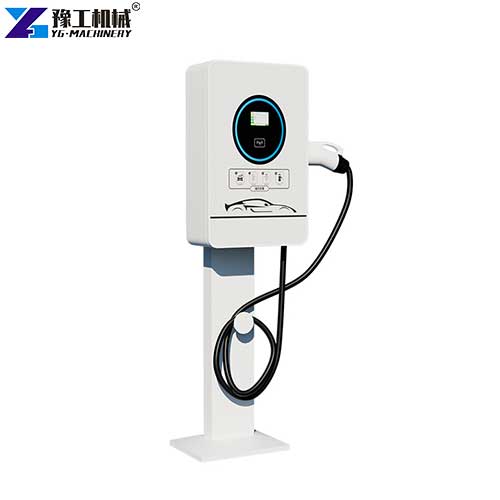
The ev ac charger, also known as an alternating current charging pile, is the most common charging equipment for electric vehicles. It matches the on-board charger of electric cars. The external AC power is transmitted to the vehicle first, and then the built-in rectifier inside the electric vehicle converts alternating current into direct current to charge the power battery.
The mainstream AC fast charger for EVs has relatively stable output power. Most household and conventional AC chargers work with low to medium power. The whole charging process is gentle, with a small current and stable voltage. This charging mode puts less load on the vehicle battery and electronic components. AC charging equipment has a simple internal structure, fewer core components, and a low failure probability, which is one of its prominent features.
2. DC Fast Charger for Electric Vehicles
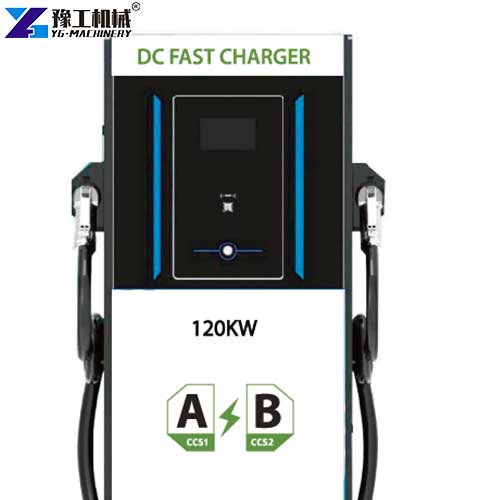
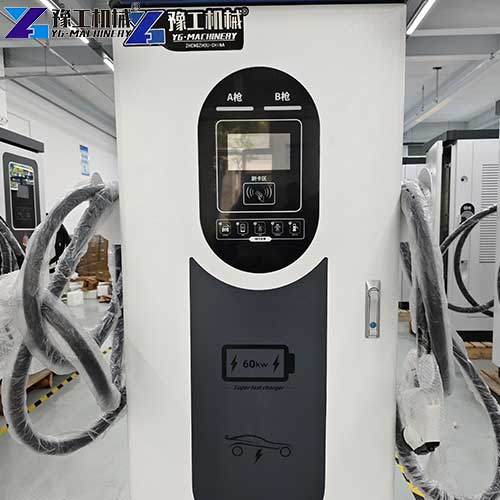
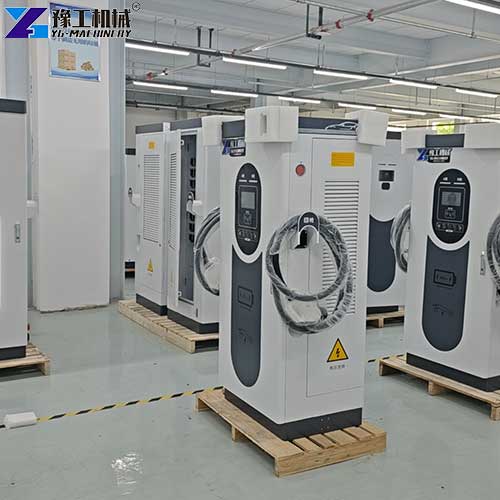
Different from AC chargers, the dc fast charger for electric vehicles integrates high-power rectifier modules inside the equipment. It directly converts municipal alternating current into high-voltage and large-current direct current, and transmits power to the vehicle battery. It does not rely on the vehicle’s on-board charger, so it realizes ultra-fast charging.
High-power DC charging equipment is composed of power modules, control systems, heat dissipation devices, and safety protection components. Its internal circuit and control logic are more complex. Due to the large instantaneous current during operation, it has higher requirements for power supply lines, distribution cabinets, and on-site safety protection measures. Meanwhile, users always take the DC fast charger price and the long-term DC fast charger cost into full consideration before purchasing.
II. Core Differences Between AC Fast Charger and DC Fast Charger
1. Charging Speed
Charging speed is the most obvious distinction. A standard AC fast charger for EVs usually has a power ranging from 20kW to 40kW. For a mainstream family electric car with a 60kWh battery pack, it takes 4 to 10 hours to be fully charged. Even high-power AC chargers cannot achieve rapid power replenishment. In contrast, the DC fast charger for electric vehicles generally has a power of 60kW, 120kW or even higher. A 60kW DC charger can charge a regular electric vehicle from 20% to 80% in just 30 to 40 minutes. High-power DC fast chargers can further shorten the charging time to within 20 minutes. It is the ideal choice for users with urgent power supplement demands.
2. Purchase & Installation Cost
Cost is a key factor affecting users’ decisions. The overall price of the EV AC charger and AC fast charger for EV is low. The equipment itself is affordable, and the supporting power distribution facilities are simple. The wiring and construction requirements are not strict, so the total one-time investment is low. The later use and maintenance cost is also very economical.
The DC fast charger price is much higher than that of AC products because of its complex internal structure and high-grade power modules. In addition to the equipment cost, users also need to transform high-voltage power lines, configure special distribution cabinets and build professional heat dissipation systems, which greatly increases the overall DC fast charger cost. Whether for individual users or commercial investors, DC fast chargers require larger upfront capital investment.
3. Installation Site Requirements
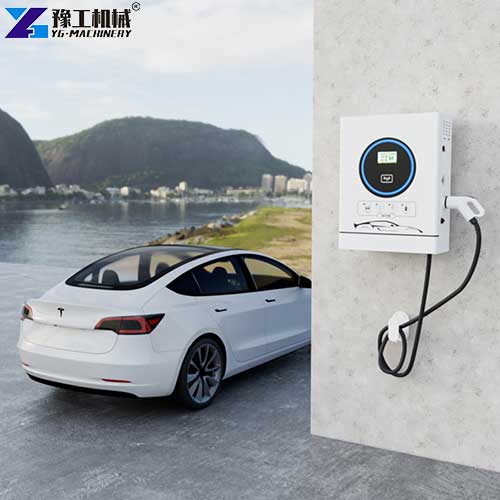
The ev ac charger occupies a small space, and can be installed in private garages, residential parking spaces and small community parking areas. The installation process is simple, and the construction cycle is short.
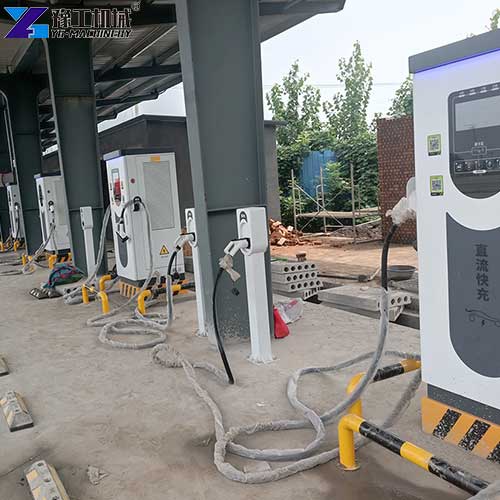
The DC fast charger for electric vehicles covers a larger area and needs to be equipped with professional lightning protection, fire prevention and monitoring devices. It is mostly suitable for large public parking lots, service stations, charging stations and highway service areas. The installation approval and construction procedures are more complicated.
III. Applicable Scenarios for EV AC Charger
1. Private Household Parking & Garage
For most family electric car owners, the EV AC charger is the best choice. Vehicles are parked in the garage or private parking space for a long time at night. Using an AC charger for slow charging overnight can fully replenish power without worrying about charging time. It costs less to purchase and install, and matches the household power supply perfectly. It is the mainstream configuration of household charging equipment.
2. Residential Community Supporting Charging
Communities build public shared charging piles for residents. Considering the large number of parking spaces and limited power capacity, most property managers choose an AC fast charger for EV. This type of charger has low overall investment, simple management and low operation risk. It meets the daily charging demands of residents and will not cause excessive load on the community power grid.
3. Enterprise & Office Parking Lots
Office workers drive electric vehicles to work and park for 8 to 10 hours during working hours. AC charging piles installed in enterprise parking lots can complete charging slowly during the working period. It makes full use of idle time, reduces the pressure on public charging stations, and also facilitates employees’ daily travel.
4. Small Commercial Venues
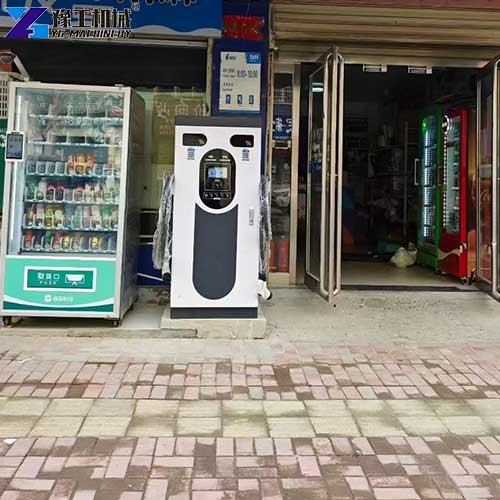
Small supermarkets, restaurants and scenic spot parking lots with low passenger flow also prefer AC chargers. The charging demand is scattered, and the users do not have urgent fast charging needs. Low-cost AC charging equipment can meet basic service demands and control operating costs effectively.
IV. Applicable Scenarios for DC Fast Charger for Electric Vehicles
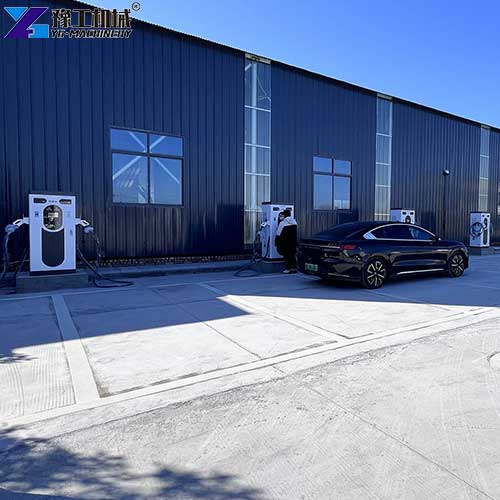
1. Professional Public Charging Stations
Professional centralized charging stations are the core application scenario of DC fast charger for electric vehicles. A large number of electric vehicles come for power replenishment every day. Fast charging can improve the turnover rate of charging positions, increase the service volume and create higher economic benefits. Although the DC fast charger price and overall DC fast charger cost are high, it can recover the investment through stable passenger flow.
2. Highway Service Areas & Gas Stations
On long-distance trips, electric vehicle drivers have strong demands for rapid power replenishment. Highway service areas, gas stations and roadside service points are all equipped with DC fast chargers. Short-time fast charging ensures the continuity of driving, which is an indispensable supporting facility for long-distance new energy travel.
3. Large Logistics Parks & Fleet Stations
Electric logistics vehicles, shuttle buses and taxi fleets have tight operating schedules and short parking intervals. The dc fast charger for electric vehicles can quickly finish power supplement during vehicle shift changes and rest periods, ensuring the normal operation of the whole fleet. Large fleet operators are willing to bear the higher dc fast charger cost to guarantee operational efficiency.
4. Urban Core Public Parking Lots
Parking lots in urban business districts, transportation hubs and large shopping malls have dense traffic and fast vehicle flow. Drivers generally stop for a short time. DC fast chargers can complete charging in a few minutes to dozens of minutes, adapting to the fast-paced consumption and travel environment of urban core areas.
V. How to Choose Between AC Charger and DC Fast Charger
- Analyze operating purposes: For personal daily use, AC chargers are more practical and battery-friendly. For commercial operation and fleet service prioritizing turnover efficiency, DC fast chargers are the better option.
- Judge by charging speed demands: If you have ample parking time and only need daily slow charging, pick an EV AC charger. Choose a DC fast charger for electric vehicles if you require quick power top-ups within tens of minutes.
- Check installation conditions: EV AC chargers need little space and simple construction, ideal for homes and communities. DC fast chargers require larger areas, professional fireproof and lightning protection setups, with more complicated approval procedures.
- Match with usage scenarios: Select AC chargers for private garages, residential areas, offices and small commercial sites. DC fast chargers are more suitable for public charging stations, highway service areas and urban busy parking lots.
- Evaluate power supply conditions: AC chargers adapt to a regular household power supply. DC fast chargers rely on high-voltage power lines, so confirm local power capacity before making a decision.
VI. Summary
Both EV AC charger and DC fast charger for electric vehicles have their unique advantages and fixed applicable scenarios. The AC fast charger for EV features low price, simple installation, safe operation and battery protection, which is suitable for household, community and low-demand commercial scenarios. The DC fast charger wins by fast charging speed and high operating efficiency, and is widely used in public charging stations, highway service areas and vehicle fleet stations.
When making a choice, do not blindly pursue fast charging or a low price. You need to combine your actual charging demands, on-site conditions, budget and long-term operation plans. By comprehensively comparing performance, cost and applicability of AC and DC charging piles, you can select the most suitable equipment and maximize the use value of EV charging facilities. If you are interested, please contact YG for a discount.