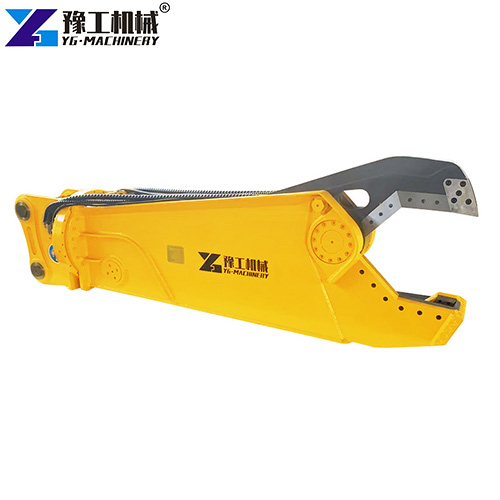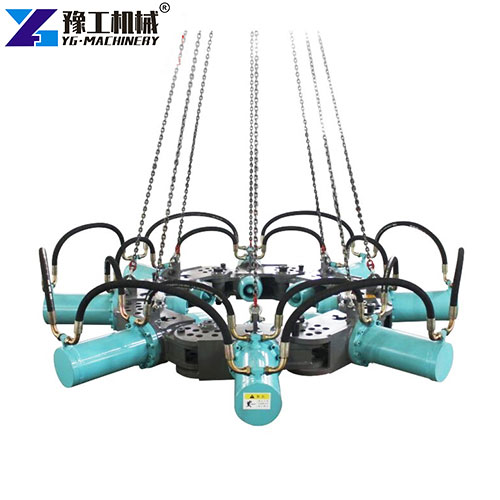

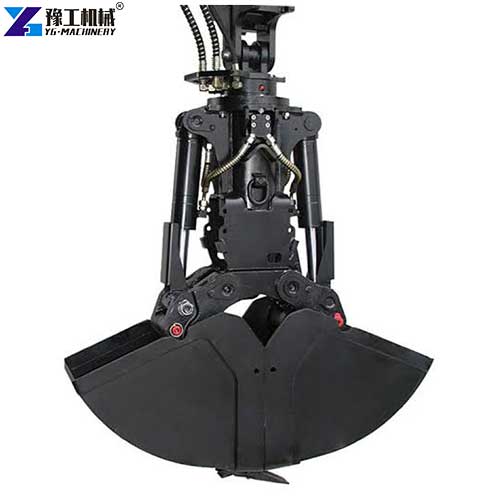
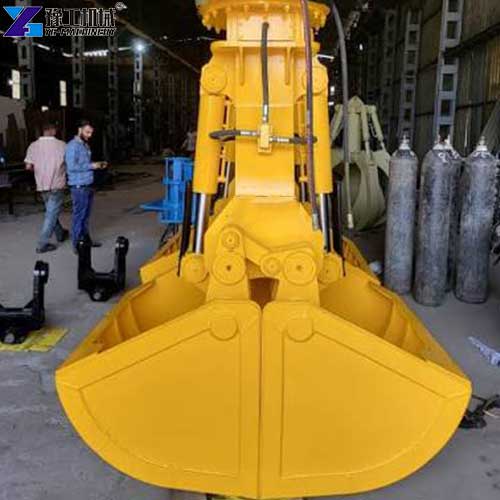
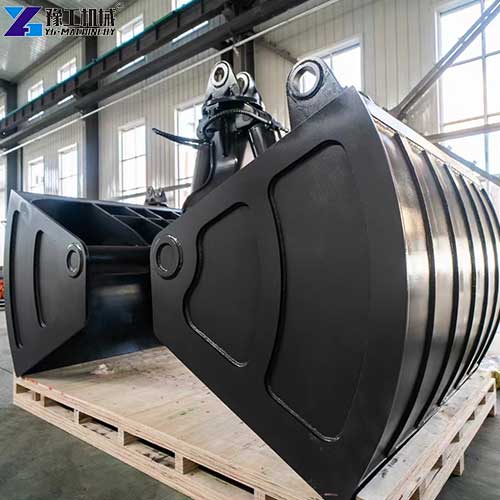
The clam bucket for an excavator is a versatile hydraulic attachment. Unlike single-sided digging buckets that only scrape and dig soil, this attachment features two symmetrical curved bucket shells driven by independent heavy hydraulic cylinders, opening and closing just like a clamshell to grip, lift, transport, and dump all types of loose, irregular bulk materials. Every clamshell bucket for excavators is built with thick wear-resistant manganese steel plates, quenched alloy hinge pins, and fully sealed hydraulic assemblies, fixing common flaws of cheap generic grabs such as weak clamping force, rapid shell abrasion, and frequent hydraulic oil leakage. It serves as a multi-purpose replacement for separate loading, sorting, and dredging tools, drastically cutting extra equipment fees and manual labor for construction, port, waste recycling, and municipal teams worldwide. If you are interested, please contact YG immediately for more information.
Parameters of the Clamshell Bucket for Excavator
| Model | YGCS04 | YGCS06 | YGCS08 | YGCS10 |
| Suitable Excavator | 7-11T | 12-18T | 18-25T | 26-35T |
| Weight | 800kg | 1200kg | 2000kg | 2300kg |
| Opening | 1000mm | 1500mm | 2200mm | 2300mm |
| Working Pressure | 180bar | 210bar | 250bar | 250bar |
| Set Up Pressure | 250bar | 290bar | 320bar | 340bar |
| Working Flow | 190 lpm | 210 lpm | 220 lpm | 240 lpm |
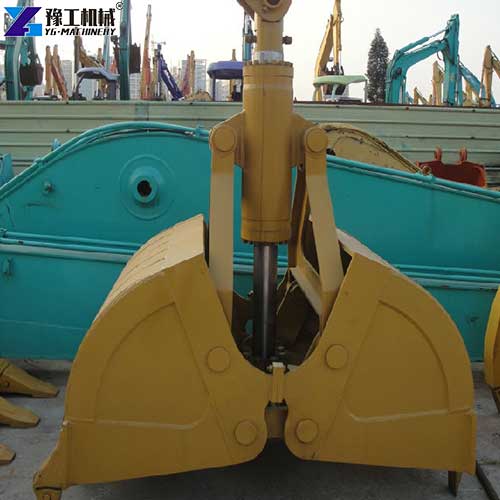

Applications of Clam Bucket For Excavator
1. Mini Municipal Landscaping & Residential Construction
A compact clamshell bucket for mini excavator is the ideal attachment for small diggers working in residential yards, narrow urban sidewalks, park landscaping, and small trench jobs. Contractors use these mini clam buckets to grab sand, gravel, topsoil, tree saplings, and small construction debris without damaging surrounding sidewalk tiles, lawns, or building foundations. Their narrow shell design fits tight gateways and backyard spaces where large excavators cannot enter, and the gentle clamping power avoids crushing delicate plants or lightweight paving materials. Many landscape teams replace multiple small hand loaders with one mini clamshell bucket to cut temporary worker costs for material hauling.
2. River, Canal & Port Dredging
Standard and large excavator clamshell bucket units are widely deployed for waterway silt removal, dock sediment cleaning, and underwater material extraction. Curved smooth inner shells prevent sticky mud from sticking during lifting, while fully sealed hydraulic parts resist water corrosion for long-term submerged operation. Operators lower the open bucket straight into river beds or harbor bottoms, close the shells to trap silt, mud, and submerged waste, then lift and unload onto transport barges or shore trucks. Rotating clamshell buckets are especially valuable at narrow inland docks, as they can swivel to align with multiple moored barges without moving the excavator along the pier.
3. Scrap Metal & Waste Recycling
Recycling yards rely on a heavy-duty toothed hydraulic clamshell bucket for an excavator to sort, stack, and load mixed scrap steel, aluminum cans, iron sheets, and broken machinery parts. Thick serrated cutting edges bite into irregular, sharp metal pieces to prevent slipping and dropping during transport. The powerful twin-cylinder clamping system holds tangled scrap firmly even during bumpy lifting movements, eliminating the need for 2–3 manual workers to pick up fallen metal scraps. Large capacity models speed up truck loading cycles, increasing daily scrap processing tonnage significantly for recycling businesses.
4. Bulk Cargo Loading at Farms & Logistics Yards
Smooth-shell clam bucket for excavator excels at handling light bulk materials including grain, corn, sand, fertilizer, and wood chips at agricultural farms and inland logistics terminals. The tight closing gap minimizes fine particle spillage during lifting, reducing material waste and daily dock cleaning labor. Farmers use these buckets to transfer grain from storage piles into delivery trucks, while logistics teams load sand and aggregate for road construction projects. The streamlined inner arc design ensures complete material dumping with no residual grain or sand left inside the bucket shell after each cycle.
5. Landfill & Waste Treatment Operations
Environmental waste facilities use rotating excavator clamshell buckets to sort domestic waste, stack covering soil, and compact landfill layers. Dual hydraulic cylinders create consistent clamping force to grab mixed household waste, plastic packaging, and soil cover evenly, accelerating daily landfill compaction workflows and shortening overall waste disposal project timelines.
6. Pipeline & Trench Backfilling Works
Municipal pipeline crews use medium-sized clamshell buckets to backfill trenches after water, gas, and fiber optic pipe installation. Operators grab loose soil and gravel, then gently drop the fill material evenly over laid pipelines, avoiding heavy impact that could crack or damage buried pipework. Compared to standard digging buckets that push soil unevenly, clam buckets offer precise, controlled material release for uniform trench backfilling, lowering later ground leveling labor time.
6 Critical Operation & Maintenance Precautions
- Strictly Match Bucket Tonnage to Excavator Host: Always select a clamshell bucket for a mini excavator, medium or large model that matches your digger’s tonnage and auxiliary hydraulic flow parameters. Oversized buckets overload the excavator’s hydraulic pump, causing permanent pump damage and unstable lifting capacity; undersized units waste construction efficiency. Before installation, confirm the excavator’s auxiliary oil pressure and flow rate match the hydraulic clamshell bucket’s technical requirements to avoid weak clamping power.
- Complete Pre-Operation Inspection Every Morning: Before daily work, fully inspect all hydraulic hoses, cylinder sealing rings, and hinge pins for oil leakage, cracks, or loose bolts. Test the bucket’s opening, closing and rotating functions with no load first. If abnormal jitter, slow shell movement, or oil seepage appears, stop operation immediately for maintenance. Check wear strips on bucket cutting edges and replenish grease to all hinge joints daily to reduce metal friction abrasion.
- Prohibit Overloading & Violent Impact Operations: Never fill the bucket beyond its rated capacity, and avoid slamming the closed bucket shell forcefully against hard rock, concrete blocks, or steel structures. Violent impact will bend the bucket frame, crack hydraulic cylinders, and deform alloy hinge pins. When grabbing hard rock or sharp scrap metal, lower the bucket slowly and close the cylinders with gradual pressure instead of full sudden hydraulic power to protect internal hydraulic components.
- Avoid Long-Term Submerged Hydraulic Cylinders: While the bucket’s hydraulic system is waterproof for short dredging tasks, do not leave the entire hydraulic cylinder assembly underwater for multiple consecutive hours. Extended submersion accelerates seal aging and internal rust of cylinder rods. After underwater dredging work, lift the bucket fully out of the water and run opening/closing cycles several times to drain residual water from hydraulic joints.
- Prevent Foreign Objects from Jamming Shell Gaps: Before closing the bucket shells, clear large hard rocks, thick steel bars, or wooden planks that could get stuck between the two shell jaws. Jammed hard materials create uneven clamping pressure, bending the bucket frame and damaging hydraulic cylinders. If foreign objects become trapped, release hydraulic pressure and remove debris manually instead of forcing the cylinder to close.
- Regular Long-Term Maintenance Rules: Every 100 working hours, replace worn edge wear plates and check hydraulic oil cleanliness; every 500 hours, fully disassemble and inspect cylinder seals, replacing aging fluorine rubber rings to stop oil leaks. When storing the bucket long-term, fully retract cylinder rods, coat all exposed metal parts with anti-rust grease, and park the bucket in a dry covered warehouse away from rain and corrosive waste materials.


Clam Bucket For Excavator Price-Choose YG Manufacturer
The excavator clamshell bucket acts as an all-in-one multi-functional attachment that upgrades ordinary excavators into efficient loading, sorting, and dredging equipment. Its simple hydraulic working principle delivers reliable, flexible grabbing performance, while its wide range of applicable scenarios covers mini residential landscaping, waterway dredging, scrap recycling, agricultural logistics, landfill treatment and municipal pipeline construction projects globally. Following clear daily operation and maintenance precautions can greatly extend the bucket’s service life, reduce unexpected breakdown downtime and cut long-term spare part costs. Whether you own a 7-ton mini digger for small landscaping jobs or a 35-ton heavy excavator for port and scrap yard work, there is a matched clamshell bucket model tailored to your material types and work environment.
If you are searching for durable, high-efficiency hydraulic attachments, inquire about YG’s full series of clamshell buckets for excavators.