
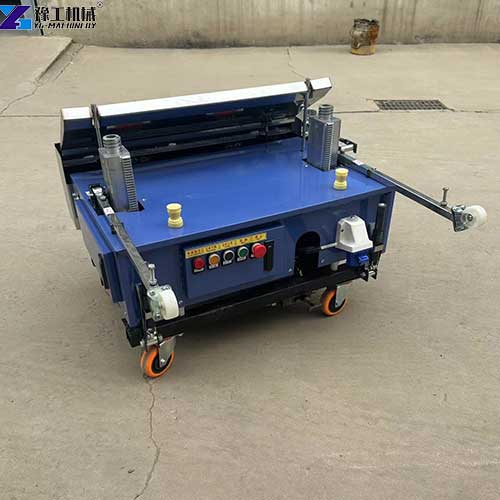
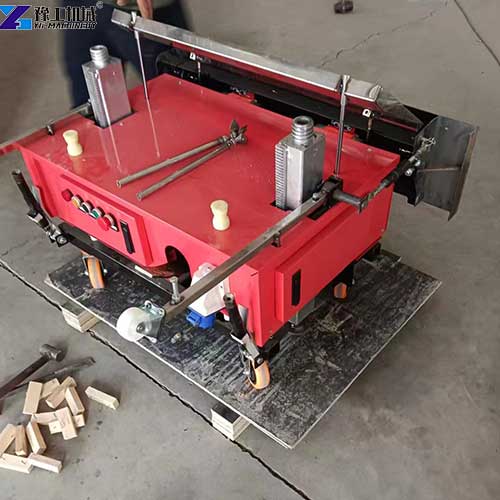
Factory and warehouse construction brings unique plastering challenges that residential projects rarely face. Industrial buildings feature huge continuous wall surfaces, high ceiling heights, tight project deadlines, and strict acceptance standards for wall flatness. Many industrial construction contractors struggle with slow manual plastering, heavy scaffold setup work, unstable wall quality, and difficulty sustaining long‑hour continuous operation. Manual plastering relies heavily on skilled workers. For factory‑warehouse high walls, contractors must build extensive scaffolding, which increases safety risks and extra material costs. Even with large crews, it is hard to keep consistent plaster thickness across thousands of square meters of continuous wall surfaces.
This blog focuses strictly on industrial factory and warehouse scenarios, compares manual versus YG automatic cement plastering machine performance for large‑area high‑wall jobs, shares authentic overseas industrial‑project user feedback, and delivers practical buying guidance for contractors sourcing an auto wall plastering machine. For more information, please contact YG immediately.
Want to Know More Detailed Product Information? Co ntact YG Now!
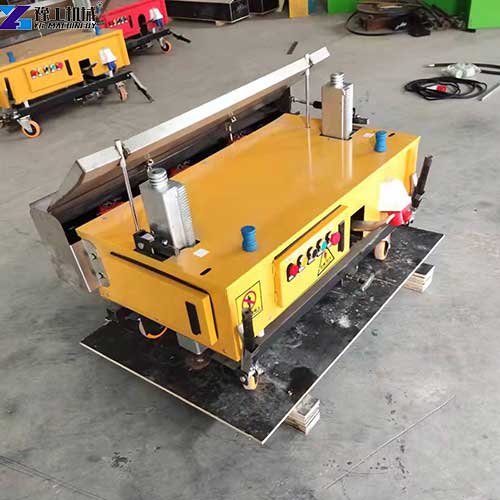
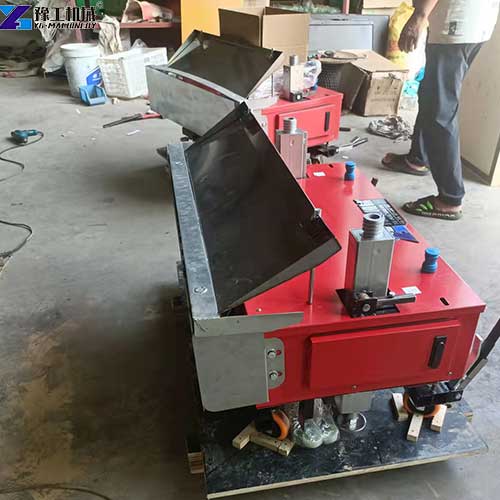
Unique Plastering Bottlenecks for Factory and Warehouse Construction
Before switching to mechanized plastering, most industrial‑building contractors face these five core on‑site obstacles:
- High‑wall operation trouble: Many factory and warehouse interior walls reach 4‑5 meters. Manual plastering requires repeated scaffold assembly and disassembly. Scaffold work consumes extra time, raises safety hazards, and slows overall progress.
- Massive continuous wall area: Warehouses have long, unbroken wall stretches. Manual teams find it hard to maintain uniform plaster thickness across large surfaces. Uneven layers trigger re‑work and delay project hand‑over.
- Difficulty for non‑stop continuous construction: Human plasterers get fatigued after long shifts. Output drops in later working hours. For tight‑schedule industrial projects, intermittent human‑caused slowdowns cannot be avoided.
- High labor dependency: Industrial‑site plastering needs multiple experienced plasterers. Skilled worker shortages push up labor costs for large‑volume factory contracts.
Technical Parameters of YG Automatic Cement Plastering Machine
These two models are built to target factory‑warehouse large‑area plaster demands, especially high‑wall and continuous‑shift working requirements.
| Model | YG-800 | YG-1000 |
| Plastering height | Below 4 meters | Below 5 meters |
| Weight | 270 kg | 290 kg |
| Plastering thickness | 2~30 mm | 2~30 mm |
| Power | 1.5 KW | 1.5 KW |
| Plastering efficiency | 500 CBM/8H | 550 CBM/8H |
| Voltage | 220 v/380 v optional | 220 v/380 v optional |
YG‑800 fits standard factory buildings with wall heights under 4 m. YG‑1000 is designed specifically for tall warehouses with wall heights up to 5 m. Both units support adjustable plaster thickness from 2 mm to 30 mm, adapting to varied concrete or block wall base conditions. When you evaluate automatic wall plaster machine price, select your model mainly based on your regular factory wall height.
Want to Know More Detailed Product Information? Co ntact YG Now!
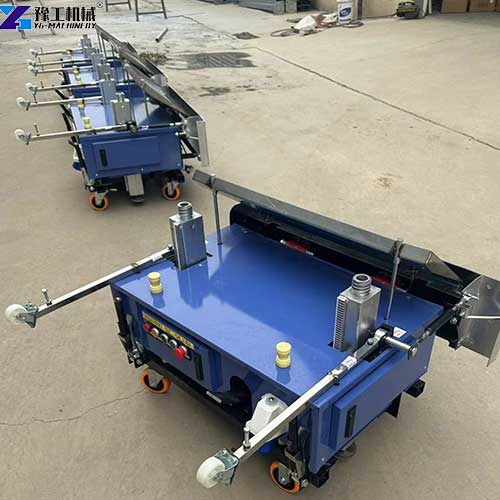
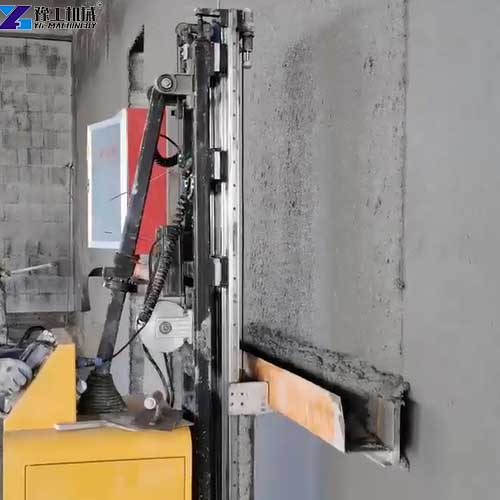
Manual Plaster vs YG Automatic Cement Plastering Machine for Industrial Large‑Area Projects
| Comparison Item | Traditional Manual Plastering | YG Automatic Cement Plastering Machine |
|---|---|---|
| 8‑hour‑shift output | Limited by number & physical condition of skilled plasterers | YG‑800: 500 CBM/8H;YG‑1000: 550 CBM/8H |
| Max practical working height | Restricted by scaffold height and safety rules | YG‑800 within 4 m; YG‑1000 within 5 m, no complex full‑height scaffold required |
| Plaster thickness control | Hard to keep consistent across long continuous industrial walls; frequent thick‑thin deviation | Stable adjustable 2‑30 mm for uniform large‑area wall finish |
| Continuous‑construction capacity | Output drops obviously as workers get tired after long‑hour work | Maintain stable output for full 8‑hour shift, suitable for non‑stop factory‑site tasks |
| Labor requirement | Needs multiple highly‑experienced plasterers | Only 1‑2 ordinary‑skill operators; does not rely on veteran plasterers |
| Scaffold dependency | Must build large‑range scaffolding for walls above 3 m | Greatly reduces scaffold‑building workload |
| Voltage adaptability | No special requirement | 220V /380V optional, fits different factory‑site power supply |
Real‑World Feedback From 2 Industrial‑Building Contractors
These user comments come from real industrial‑project contractors who deployed the automatic wall plastering machine on factory or warehouse construction sites.
Feedback 1: Industrial general contractor from Southeast Asia (Factory project, wall height 3.8 m, YG‑800)
“We took several new factory‑building contracts. Our biggest headache was high‑volume wall plastering. Setting up full‑coverage scaffolding for 3.8‑meter walls wasted lots of time and money. We checked multiple options before buying the automatic cement plastering machine YG‑800. Its max plastering height of below 4 meters perfectly fits our factory wall height. Under local 380‑volt site power, the 1.5 KW motor runs steadily for full‑shift continuous work. We achieve 500 CBM output within each 8‑hour shift. When we reviewed the automatic wall plaster machine price, we found labor‑cost savings quickly offset the initial equipment investment.”
Feedback 2: Warehouse‑specialized construction firm from Latin America (Logistics warehouse, wall height 4.7 m, YG‑1000)
“We build large logistics warehouses. Manual plastering required heavy scaffold systems and brought safety risks. We ordered the YG‑1000 auto wall plastering machine for sale. The max plastering height of 5 meters covers our warehouse high‑wall demand. We can adjust plaster thickness from 2 to 30 mm to adapt to uneven concrete wall bases across huge warehouse continuous wall sections. The machine sustains a stable 550 CBM output for each 8‑hour working shift. Our operators only need simple training. Continuous‑shift operation no longer depends on human physical stamina. Wall flatness meets industrial‑project acceptance criteria, and re‑work rate drops significantly.”
Want to Know More Detailed Product Information? Co ntact YG Now!
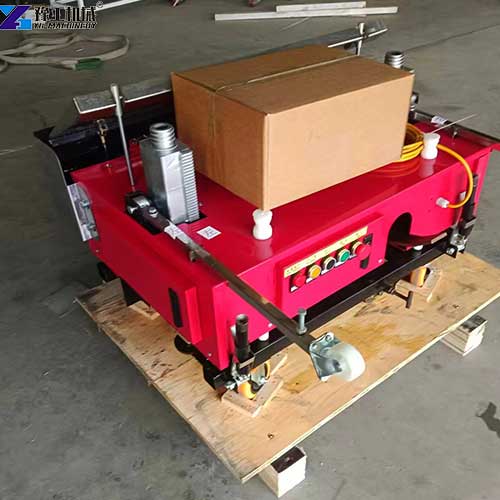
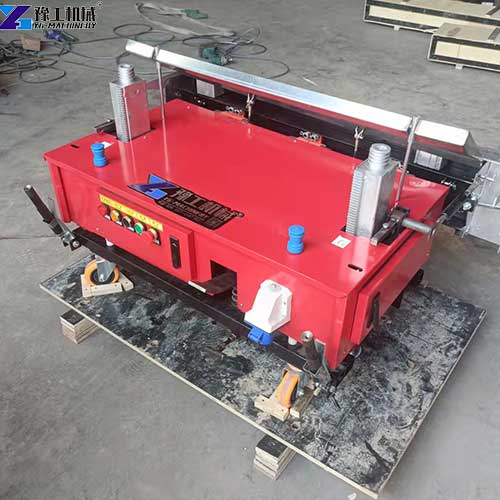
Practical Buying & Site‑Operation Tips for Factory‑Warehouse Contractors
- Confirm your typical factory or warehouse wall height. Pick YG‑800 if wall height ≤4 m; select YG‑1000 when regular wall height goes up to 5 m. Wrong‑height selection will limit your high‑wall working capability.
- Confirm your construction‑site available voltage. Both models support 220 V / 380 V; notify the supplier of your industrial‑site power condition in advance.
- Do not judge equipment only by the automatic wall plaster machine price. Prioritize plastering height, 8‑hour continuous‑shift output, adjustable‑thickness range, and motor stability, which are critical for factory large‑area tasks.
- Even though the YG automatic cement plastering machine reduces scaffold usage, keep partial safety auxiliary protection for near‑maximum‑height operation.
- Follow official cleaning and maintenance guidance after each continuous‑construction shift. Timely cleaning of mortar‑contact components guarantees stable long-term running for heavy‑duty industrial‑site jobs.
Have Similar Projects? Contact YG For Customized Services.
Large‑area high‑wall plastering is always a tough bottleneck for factory and warehouse construction contractors. A well‑selected YG automatic cement plastering machine can cut scaffold workload, reduce dependence on scarce skilled plasterers, maintain stable output during long continuous shifts, and deliver uniform wall quality for huge industrial wall surfaces. If you want to study detailed specs of the automatic wall plaster machine, or get a transparent automatic wall plaster machine price, reach out to YG Machinery.
YG will recommend models according to your factory‑warehouse wall height, site voltage and project scale, provide complete spec sheets, operation tutorials and formal quotations, helping you lift large‑area plastering efficiency and complete your industrial‑building projects on schedule.