
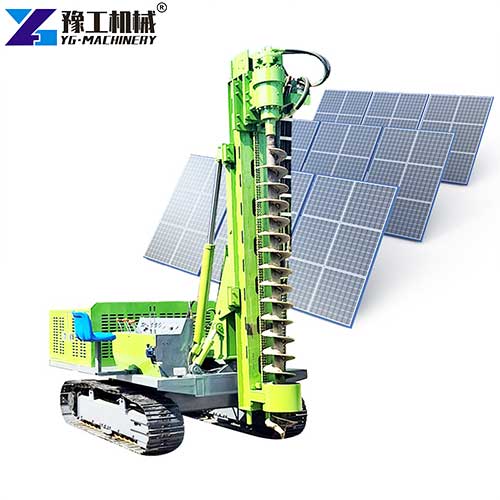
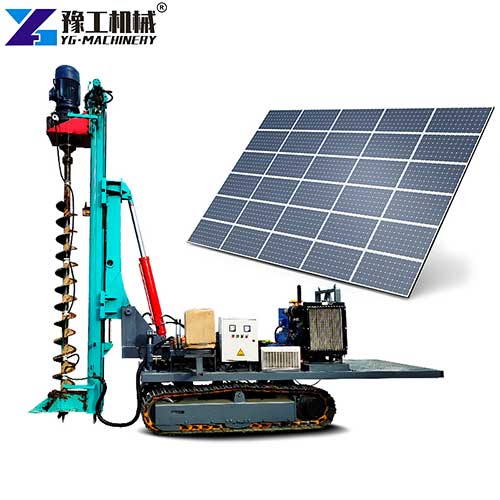
With the rapid development of the global new energy industry, more and more photovoltaic power station projects are being built in mountainous areas, wastelands, farmlands, and coastal zones. Traditional manual pile driving or large pile driving equipment can no longer meet the high-efficiency, low-cost, and flexible construction demands of scattered solar projects. The solar pile driver machine has gradually become standard construction equipment for photovoltaic power plants. The portable helical pile driver is especially popular for small and distributed photovoltaic projects because of its flexible transfer and easy operation. This article introduces the detailed step-by-step working process of the photovoltaic pile driver and seven practical buying tips to help global contractors choose the most suitable pile driving equipment and avoid investment losses. If you are interested, please contact YG for a discount.
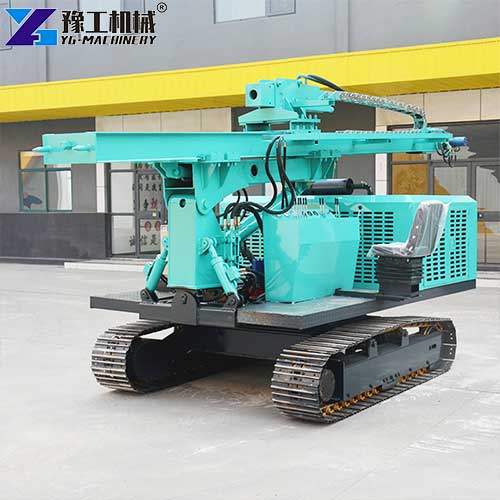
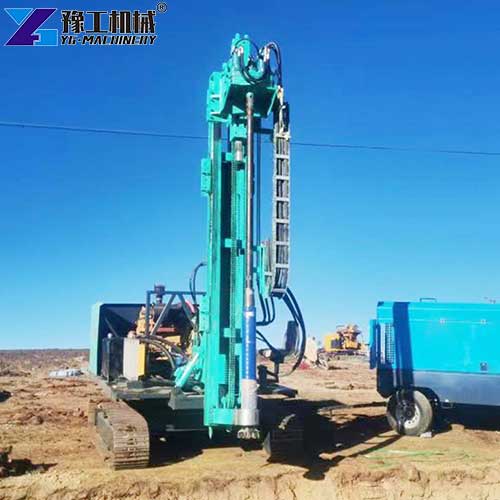
YG Solar Pile Driver Technical Parameter
| Hydraulic photovoltaic pile driver | |||
| Overall dimensions | 4700*2100*2800mm | Drill pipe rotational speed | 180r/min |
| Track shoe width | 400mm | gradability | 30° |
| motor | 4108 | rock hardness | 6-20F |
| Drilling diameter | 80-500mm | Slide tilt angle | 120° |
| Drilling depth | 0-6m | Drill arm swing angle | left and right150° |
| Reducer torque | 13000n.m | Slide swing angle | left and right40° |
| Mainstream pump | triple pump | Driving speed | 0-3km/h |
| oil pump | 40/40/32 | ||
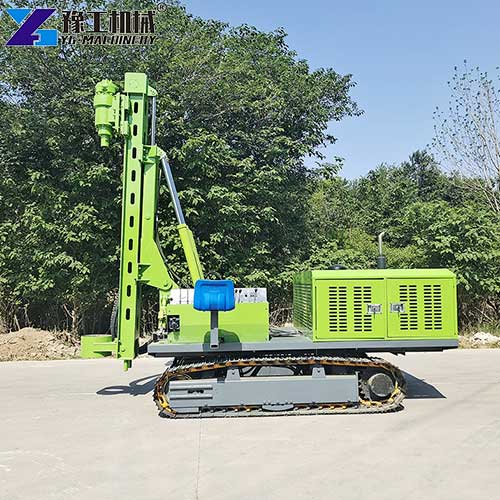
| Crawler photovoltaic pile driver | |||
| Overall dimensions | 4700*2200*2800mm | Hydraulic hammer flow | 50-110L/min |
| Track shoe width | 400mm | Impact frequency | 350-800BMP |
| motor | 4108 | Hydraulic system pressure | 25mpa |
| Generator power | 88kw Motor | Strong wind for heat dissipation | yes |
| Drilling depth | 0-6m | oil pump | 40/40/32 |
| Drilling diameter | 80-600mm | Driving speed | 3km/h |
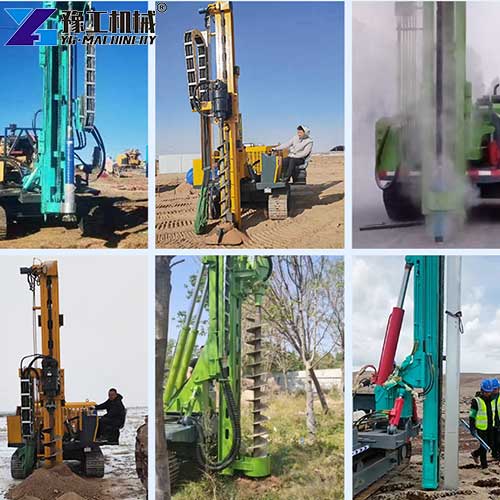
6 Working Process of Solar Pile Driver Machine
1. Construction Site Preparation and Positioning
Before starting pile driving work, construction workers first clean up stones, weeds and obstacles within the working area to ensure the portable helical pile driver can move freely. Surveyors mark each pile position strictly according to the photovoltaic station design drawing, confirming the pile spacing, pile depth and verticality standard. For mountain and sloping photovoltaic projects, workers need to level local uneven ground slightly to prevent the hydraulic pile driver machine from tilting during operation. Clear positioning can avoid wrong pile positions and repeated rework, greatly improving the overall construction progress of the photovoltaic power station.
2. Equipment Transportation, Positioning and Fixing
Different from large fixed construction machinery, most photovoltaic projects adopt scattered construction layout, so portable helical pile driver is widely used. Operators transport the solar pile driver machine to the marked pile position via trucks or crawler walking chassis. After moving to the designated point, adjust the machine’s supporting legs to keep the whole hydraulic pile driver machine in a horizontal state. Tighten all fixing bolts of the main frame to prevent equipment shaking or tipping when high-frequency hammering or spiral drilling. Stable horizontal fixing is the premise to guarantee the verticality of each photovoltaic pile.
3. Installation of Pile Accessories and Parameter Debugging
Install the matched drill bit or pile hammer on the front end of the photovoltaic pile driver according to construction requirements. For helical ground screw piles, assemble the spiral drill bit; for steel pipe piles and concrete precast piles, install impact hammer accessories. Next, professional operators debug the hydraulic system of the solar pile driver machine, adjust hydraulic pressure, hammering frequency and drilling rotating speed based on local geological conditions. For soft soil, set low pressure and fast rotation speed; for hard soil or gravel layers, increase hydraulic output to ensure smooth pile driving. Meanwhile, set the pile depth limit to guarantee every pile meets the design standard.
4. Formal Pile Driving or Spiral Drilling Construction
This is the core working link of the portable helical pile driver. If constructing helical ground screws, start the hydraulic rotary system, let the spiral drill bit rotate clockwise down into the soil continuously until reaching the preset depth. If driving steel pipe piles, use the hydraulic impact hammer to beat the top of the steel pipe repeatedly, pressing the pile into the ground vertically. During the whole process, operators observe the machine’s horizontal balance and pile verticality in real time. Once deflection occurs, stop the machine immediately and adjust the equipment position to correct deviation, which can avoid hidden safety risks for the later photovoltaic bracket installation.
5. Depth Inspection, Equipment Reset and Position Transfer
When the pile reaches the designed depth, stop the hydraulic system and lift the drill bit or pile hammer upward to separate from the finished pile. Inspect the buried depth, verticality and surface damage of the photovoltaic pile one by one to make sure all indexes pass the acceptance standard. After one pile construction is finished, retract the supporting legs of the hydraulic pile driver machine, drive the portable equipment to the next marked pile position, and repeat the above positioning, fixing and pile driving steps. Continuous cyclic transfer operation greatly improves the daily pile driving quantity of large-scale photovoltaic power station projects.
6. Daily Equipment Maintenance After Construction
After finishing all pile tasks of the day, clean mud, gravel and dust on the surface of the solar pile driver machine and drill accessories. Check hydraulic pipelines, oil seals, engine lubricating oil and wearing parts for oil leakage or serious wear. Add lubricating grease to rotating bearings and movable connecting positions to reduce abrasion during long-term continuous work. Timely daily maintenance can effectively extend the service life of the portable helical pile driver and reduce unexpected breakdowns during peak construction periods.
For more details, please click the button below to contact YG and you will receive a free quote.
How to Buy a Photovoltaic Pile Driver? 7 suggestions
1. Confirm Your Project Type to Choose the Right Equipment Type
First, clarify what kind of piles you need to construct. If your project uses ground helical screw piles, portable helical pile driver is your best choice, which features light weight, convenient transfer and fast spiral drilling speed. If you need to drive steel pipe piles, cement piles and square piles for large centralized photovoltaic power stations, you should select high-power hydraulic pile driver machine with strong impact hammer force. Do not buy spiral drilling equipment for impact pile driving work, or you will face low construction efficiency and serious equipment damage.
2. Match Power and Hydraulic Parameters with Local Geological Conditions
Soil conditions directly decide the required power of your solar pile driver machine. For plain soft soil, low-power portable photovoltaic pile driver can fully meet construction demands, with low fuel consumption and flexible movement. If your project is located in mountainous, gravel or frozen soil areas, you must choose high hydraulic pressure and high-torque models. Insufficient power will lead to slow pile penetration, frequent machine stalling and serious fuel waste. Before purchasing, tell suppliers your local soil type to get accurate model recommendation.
3. Evaluate Site Traffic Conditions to Select Portable or Crawler Type
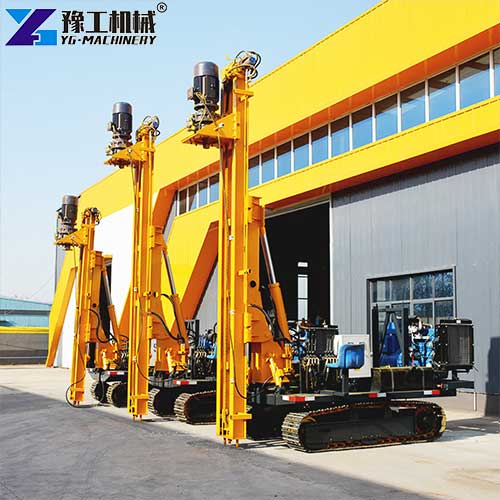
Most photovoltaic projects are built on remote wastelands, hills and farmlands with poor road conditions. A small wheeled portable helical pile driver is suitable for flat areas with convenient transportation and frequent short-distance transfer. A crawler-type hydraulic pile driver machine can walk normally on muddy, sloped, and rough roads, effectively preventing equipment sinking and slipping. Never ignore site road conditions; wrong chassis selection will cause huge troubles in equipment relocation between different construction sections.
4. Define Maximum Pile Depth and Pile Diameter Requirements
Different photovoltaic power station design standards have different limits on pile depth and diameter. Small distributed solar projects usually require pile depth within 3 meters, while mountain wind-resistant photovoltaic projects may need piles buried 4 to 6 meters deep. You must confirm the maximum drilling depth and pile diameter range in advance. Over-small equipment cannot reach the required depth, leading to project failure; over-large, high-power machines will cause unnecessary investment waste and high operating costs.
5. Do Not Only Pursue Low Price, Focus on the core hydraulic configuration
Many new buyers only compare quotations and choose the cheapest solar pile driver machine, which is a typical wrong purchasing decision. The core working part of the photovoltaic pile driver is the hydraulic system. Inferior hydraulic components are prone to oil leakage, pressure attenuation, and power drop after short-term use, resulting in frequent construction shutdowns. High-quality portable helical pile driver adopts brand hydraulic pumps, motors, and thickened wear-resistant drill bits. Although the one-time purchase cost is slightly higher, it greatly cuts maintenance downtime and long-term comprehensive operating expenses.
6. Check Equipment Mobility and Transfer Convenience
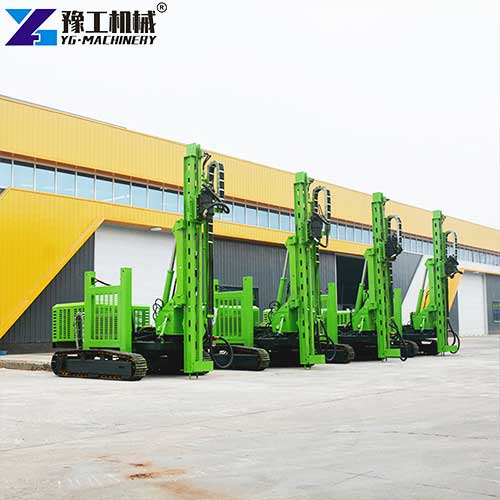
For most photovoltaic contractors, equipment transfer efficiency determines overall project profit. Lightweight portable hydraulic pile driver machine can be loaded onto ordinary small trucks without oversized transportation approval, saving high road freight and transfer time. Heavy integrated pile drivers need special transport vehicles, which greatly increases cross-region construction costs. If you take many scattered small solar projects, portable lightweight models can significantly improve your equipment utilization rate.
7. Verify Supplier’s After-Sales Service and Spare Parts Supply Capacity
Overseas users must pay close attention to the after-sales guarantee when importing a solar pile driver machine. Once the portable helical pile driver breaks down in remote construction sites, the timely supply of wearing parts such as drill bits, oil seals, and hydraulic hoses is very important. Yugong Machinery can provide multi-language operation manuals, remote video maintenance guidance, a one-year warranty, and global fast spare parts delivery. Choosing a manufacturer with a perfect after-sales system can avoid long-term construction shutdown losses caused by insufficient spare parts.
For more details, please click the button below to contact YG and you will receive a free quote.
Conclusion
The solar pile driver machine, photovoltaic pile driver and portable helical pile driver have become essential construction machinery for the global new energy photovoltaic industry. Standardized construction steps including site positioning, equipment fixing, parameter debugging, pile driving operation and daily maintenance can ensure high-efficiency and high-quality completion of each photovoltaic power station foundation project.
Following the seven core buying guidelines helps buyers avoid model mismatching, parameter mismatch, blind low-price choice and after-sales risk traps. Whether you undertake distributed small solar projects or large centralized photovoltaic station construction, selecting a matched hydraulic pile driver machine according to geological conditions, pile parameters and site traffic can maximize construction efficiency, effectively control operating costs and help you gain stable profits in the booming global new energy infrastructure market. If you are interested, please contact YG for a discount.