
This case study explores how a German automotive parts factory eliminated inefficient, risky mold cleaning processes with the YG YGP7X small dry ice blaster. Faced with stubborn carbon residue on precision injection molds, the factory previously relied on abrasive sandblasting, chemical solvents, and manual scraping, causing long downtime, high defective rates, and hidden equipment damage. After verifying professional performance through demos, Klaus adopted the portable YG dry ice blaster. Featuring adjustable pressure and non-abrasive cleaning, the machine drastically cut cleaning time, reduced product rejection, and delivered eco-friendly, zero-residue cleaning for high-precision industrial molds. Below is his story. To learn more about this case, please contact YG at +8613937183205.
Want More Case Studies? Contact YG For More Details
Want More Case Studies? Contact YG For More Details
July 2026
The Problem: Dirty Molds and Rising Production Losses
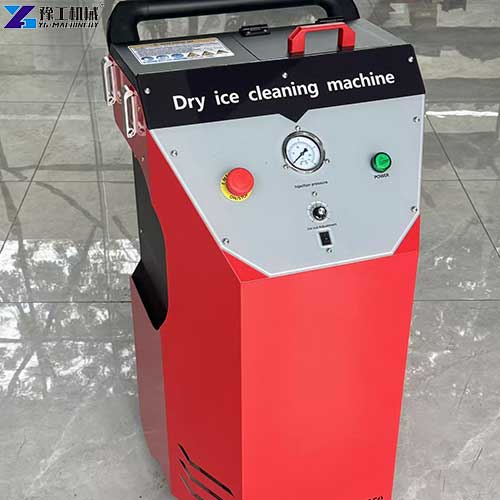
Klaus manages a tier-one automotive parts factory near Stuttgart, Germany, where the team produces precision injection molds for dashboard components and engine covers. The molds regularly accumulated carbonized release agents, burnt grease, and plastic residue in small vents and crevices. Traditional cleaning methods created major problems. Sandblasting could damage delicate surfaces, chemical solvents created hazardous waste, and manual scraping was slow and inconsistent. Klaus’s team was spending four to five hours cleaning each mold, while surface contamination contributed to an 8% production rejection rate. A new electric vehicle mold order in July made the situation even more urgent, so Klaus began looking for a faster and safer cleaning solution.
July–August 2026
The Search: Why Dry Ice Blasting Made Sense
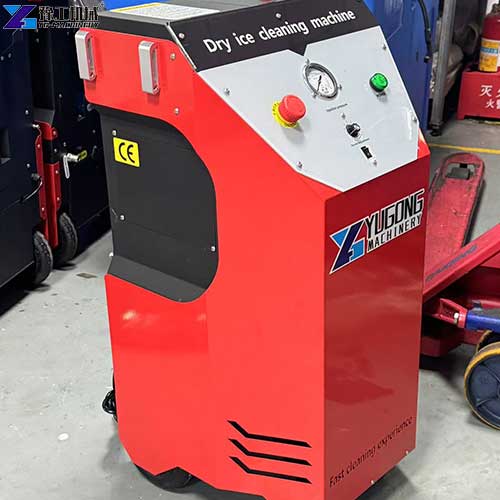
With the new production schedule approaching, Klaus started researching dry ice cleaning technology. He learned that dry ice blasting uses solid CO₂ pellets that sublimate on impact, leaving no water, chemicals, or secondary blasting media behind. He initially searched for a dry ice cleaning machine for cars, but soon discovered that the same technology could be used for automotive molds, production tools, and other precision components. After comparing portable dry ice blaster options, he chose the YG small dry ice blaster. YG recommended the YGP7X based on its compact design, adjustable settings, and suitability for industrial mold cleaning.
August 5, 2026
The Selection: Choosing the YGP7X
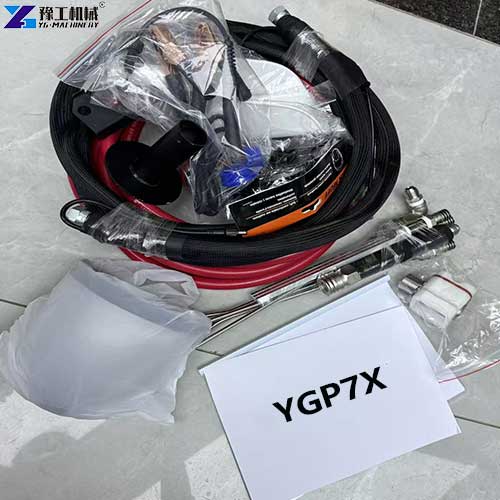
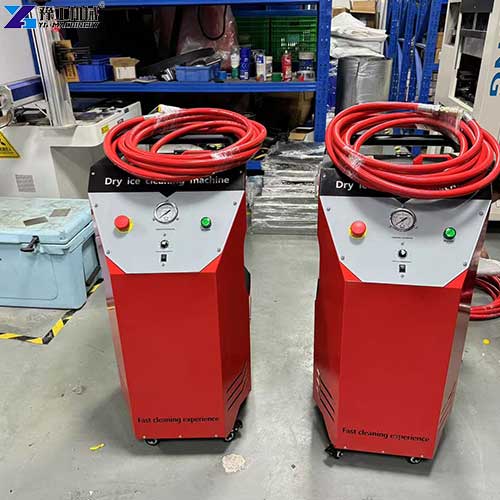
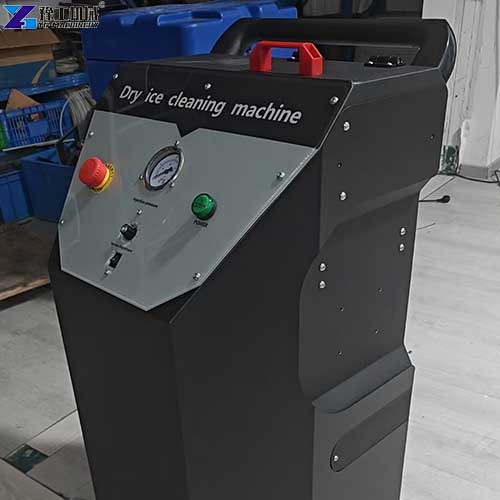
Klaus carefully reviewed the YGP7X specifications before making a decision. The machine uses a motor of less than 500W and operates on AC220V, 50–60Hz power. Its air consumption can be adjusted from 28–106 CFM, while air supply pressure ranges from 0.1–0.9 MPa. The ice delivery speed is adjustable from 0–0.75 kg/min, allowing operators to change the cleaning intensity for different mold surfaces. The 10.5 kg hopper provides a practical dry ice supply, while the 55 kg machine weight makes the unit portable. Klaus also valued the IP54 protection rating and direct-connection drive system for factory use.
August 11, 2026
The Demo: From Carbon-Covered Mold to Clean Surface
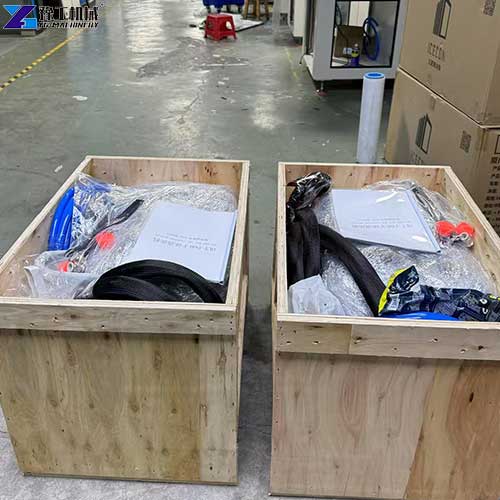
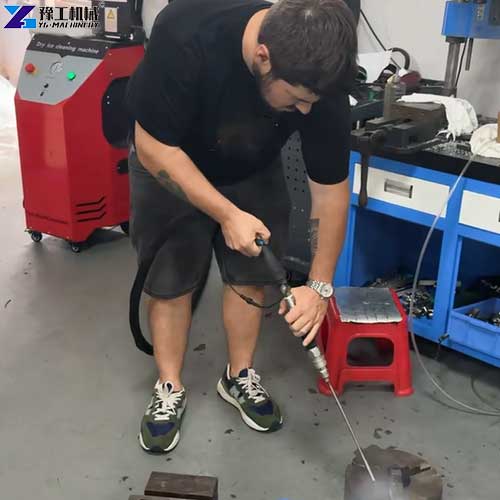
YG arranged a demonstration. A technician brought a YGP7X unit and connected it to the factory’s compressed air system. The team filled the hopper with 2.5–3 mm dry ice pellets and tested the machine on a carbon-covered mold. The dry ice removed the buildup without leaving secondary waste. The technician then adjusted the air pressure and ice delivery speed to demonstrate different cleaning levels. Delicate aluminum sections could be treated with lower settings, while heavier carbon deposits on steel sections could be cleaned with stronger settings. After seeing the results, Klaus decided to purchase the YG small dry ice blaster for his production line.
September 2026
The Result: Faster Mold Cleaning and Less Downtime
By September, the YGP7X was working in full production. Klaus reported that mold cleaning time dropped from around four to five hours to approximately 45 minutes per mold. Weekly downtime fell from about 60 hours to around 9 hours, while the production rejection rate decreased from 8% to 1.2%. The factory also reduced its dependence on chemical solvents and avoided secondary waste from traditional abrasive cleaning. Klaus particularly appreciated the adjustable air pressure and ice delivery rate, which allowed operators to handle different mold materials and contamination levels.
Want More Case Studies? Contact YG For More Details
YG Small Dry Ice Blaster Specific Parameters
| Model | YGP7X | YGP6 |
| Motor power | <500W | <500W |
| Voltage | AC220V, 50-60HZ | AC220V/50-60HZ |
| Air consumption | 28-106 CFM (0.8-3.0m³/min) adjustable | 28-106 CFM (0.8-3.0m3/min) adjustable |
| Air supply pressure | 0.1-0.9Mpa (1-9bar adjustable) | 0.1-0.9Mpa (1-9bar adjustable) |
| Ice delivery speed | 0-0.75kg/min(adjustable) | 0-1.65 lbs/min (0-0.75Kg/min) adjustable |
| Hopper capacity | 10.5kg (23.5 lbs) | 23.5 lbs(10.5kg) |
| Degree of protection | IP54 | IP54 |
| Machine weight | 121 lbs(55kg) | 110 lbs(50kg) |
| Dry ice state | 2.5-3mm (granular) | 2.5-3mm(granular) |
| Drive mode | Direct connection | Direct connection |
| Machine size | (L)510*(W)460*(H)960mm | (L)600x(W)400x(H)860mm |
Want More Case Studies? Contact YG For More Details
What Klaus Tells Other Factory Managers
Klaus is now a vocal advocate for YG. He’s spoken at two automotive manufacturing conferences in Germany. He’s shown videos of the YGP7X cleaning molds. He’s even invited competitors to see it in action.
“If you are looking for a YG small dry ice blaster, don’t just look at the price,” Klaus says. “Look at the adjustability. Look at the weight. Look at the IP rating. Look at the hopper capacity. The YGP7X has all of these.”
When asked about dry ice cleaner price in general, he says, “It’s not the cheapest. But it’s the best value. We’ve cleaned over 500 molds. The machine is still running strong. That’s what matters.”
“I know many people search for that. But this machine does so much more. It cleans car parts, molds, welding lines, even entire car bodies. It’s not just for cars. It’s for any precision cleaning.”
Want Every Mold to Look Brand New? Choose YG Small Dry Ice Blaster
If your factory is losing time and money to slow, messy, and hazardous cleaning, it’s time to upgrade. The YGP7X is a YG small dry ice blaster that combines power, precision, and portability. It’s the best portable dry ice blasting machine for sale for automotive and industrial applications. And it’s a dry ice cleaning machine for cars that works just as well on molds, tools, and production lines.
So take Klaus’s advice. Stop wasting hours on manual cleaning. Stop risking mold damage. And stop settling for less.
Choose YG. Choose the YGP7X small dry ice blaster. And make every mold spotless.