
Saudi construction company’s worker accommodation upgrade for a 14‑month Red Sea coastal villa project near Jeddah. Initially, the firm reused aging portable cabins, which quickly presented serious issues including roof leaks, poor insulation, overcrowding, and inadequate cooling amid harsh coastal heat and humidity. Unable to sustain long-term site operation with faulty old units, the team evaluated multiple housing solutions and finally chose YG expandable container houses. After consulting YG Machinery, they adopted 18 sets of 40ft expandable units for staff lodging, catering, and medical rooms. Featuring compact folded transportation and fast on-site unfolding installation, all units were fully deployed and operational within two months, delivering spacious, durable, weather-resistant accommodation for 120 on-site workers and solving all camp living issues completely.
Below is a personal account from Khalid Hassan, a manager in Saudi Arabia. Want to know more about related case studies? Please contact WhatsApp: +86 139 3718 3205.
Want To Know More Details? Contact YG Machinery!
January,2026
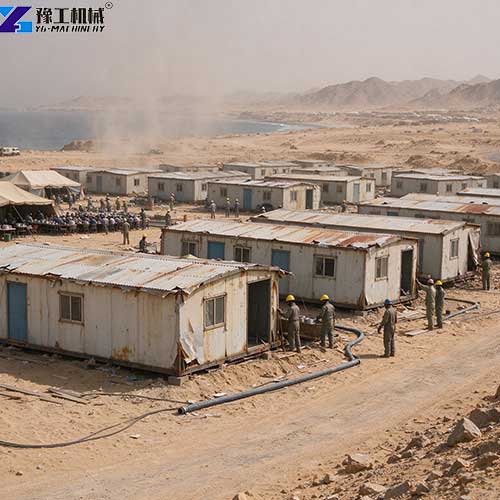
The Mobilization Rush
The construction company won a 14-month residential villa project along the Red Sea coast, about 100 km north of Jeddah. The project required accommodation for 120 workers on a remote coastal site. At first, the company reused around 15 old portable cabins from a previous project. The units were transported by truck and partially installed within the first week. However, the old cabins had already been in storage for two years, so the team soon realized that relying on them could create problems during the long project.
February,2026
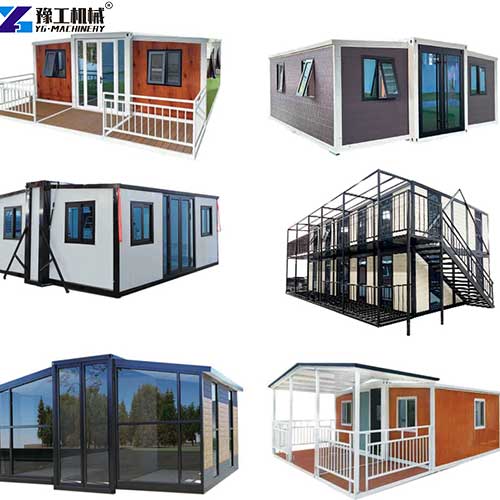
The Old Cabins Started Failing
By mid-February, the problems became obvious. Several old cabins had damaged door seals and warped floor panels, while two units developed roof leaks after rain. The limited number of cabins also caused serious overcrowding, with workers sharing tight sleeping spaces and having little room for personal belongings. At the same time, the approaching summer heat became a major concern. The cabins had thin insulation, and their air conditioners struggled to maintain comfortable temperatures. Worker complaints increased, and the project team realized that repairing the old cabins would not provide a long-term solution.
March,2026
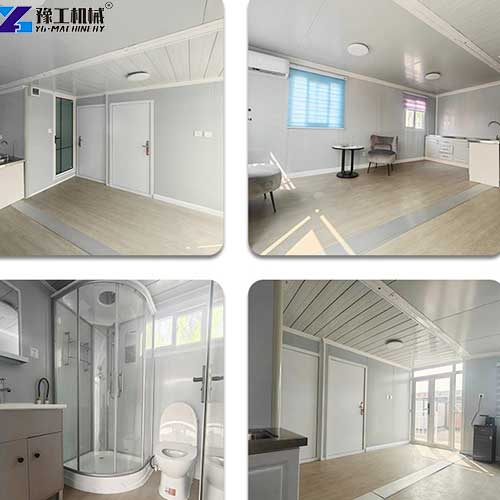
Searching for a Better Accommodation Solution
The project director asked the team to replace the old cabins rather than continue repairing them. Over the next two weeks, they compared traditional prefab buildings, standard shipping container conversions, and expandable housing solutions. Traditional buildings were too slow to deploy, while standard containers offered limited living space. The team then discovered the expandable shipping container house, which could be transported in a compact folded form and expanded on site. This offered a potential solution to both the transportation challenge and the overcrowding problem.
Late March, 2026
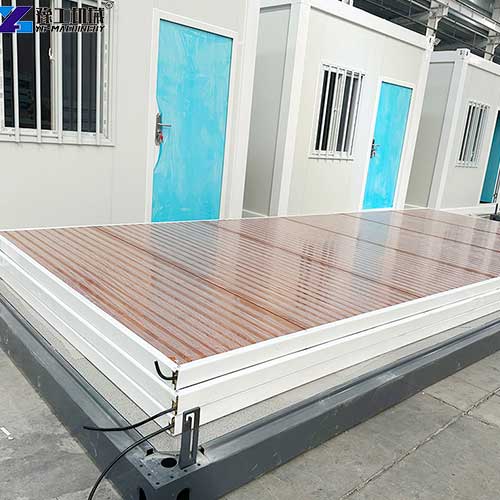
I Found YG Expandable Container House
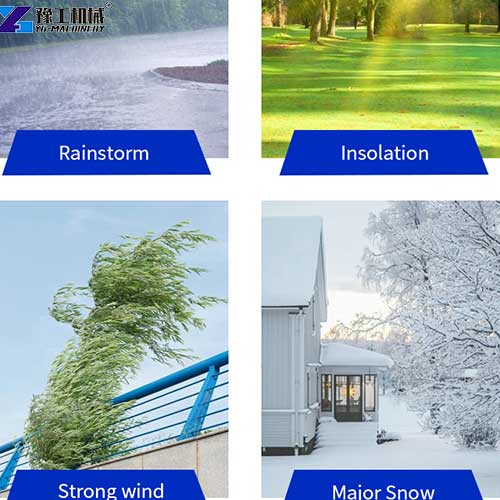
The company contacted YG Machinery and provided details about the project, including 120 workers, coastal desert conditions, high temperatures, humidity, salt air, and the need for fast deployment. YG’s technical team responded within 48 hours and asked about ground conditions, wind exposure, utility access, and interior requirements. Based on these conditions, YG recommended the 40ft container home for sale. The team planned 16 units for worker accommodation plus two additional units for kitchen/dining, recreation, and medical use, making 18 units in total.
April–May,2026
The Full Camp Became Operational
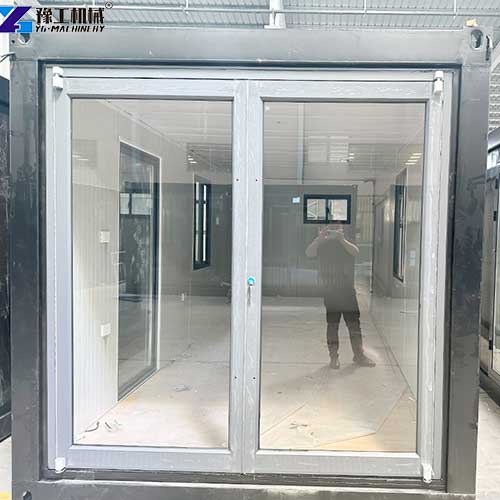
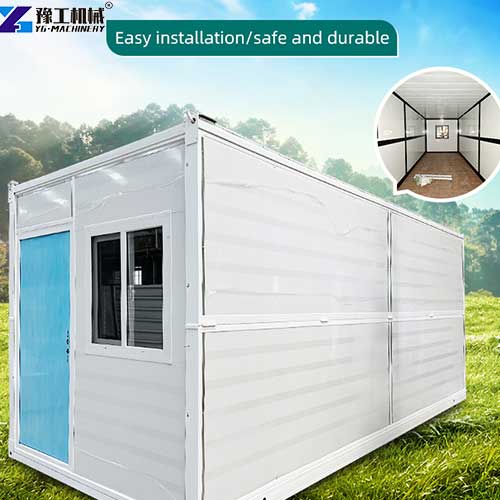
The first eight units arrived in mid-April. After leveling the ground, positioning the units, unfolding the side panels, sealing the joints, and connecting utilities, each unit became habitable in about four hours. Four units were fully installed on the first day. The remaining ten units arrived in a second shipment, and the deployment team became faster, completing each unit in around three hours. By the first week of May, all 18 units had been deployed, connected, and occupied, giving the 120 workers a more spacious and organized camp for the ongoing villa project.
Want To Know More Details? Contact YG Machinery!
YG Expandable Container House Parameters
| 20FT Basic Characteristics | External dimension (mm) | W6260*L5900*H2480(Side 2270) |
| Internal dimension (mm) | W6160*L5560*H2240(Side 2150) | |
| Folded state (mm) | W2200*L5900*H2480 | |
| Total mass (kg) | 3000 | |
| 30FT Basic Characteristics | External dimension (mm) | W6160*L9000*H2480(Side 2180) |
| Internal dimension (mm) | W6200*L8660*H2240(Side 2060) | |
| Folded state (mm) | W2200*L9000*H2480 | |
| Total mass (kg) | 5000 | |
| 40FT Basic Characteristics | External dimension (mm) | W6160*L11800*H2480(Side2180) |
| Internal dimension (mm) | W6080*L11540*H2200(Side2060) | |
| Folded state (mm) | W2200*L11800*H2480 | |
| Total mass (kg) | 7000 |
Click to Inquire about Detailed Information on the Expandable Container House
Customer Feedback — What the Workers Themselves Said
“Before, I used to dread going back to the cabin after a shift. Now I actually look forward to resting. It’s quiet, it’s cool, and I have my own space.”
“The old camp smelled like damp and rust. This one is clean and dry. I sleep through the night now.”
“When I first saw the unit folded on the truck, I didn’t understand how it would be big enough. When they unfolded it, I couldn’t believe it. It’s like a small apartment.”
5 Recommendations for Other Buyers in Similar Environments
If you’re running a workforce camp in the Middle East — or any harsh environment — and you’re evaluating modular expandable homes, here are a few things I’ve learned the hard way:
- Don’t underestimate the value of space. It’s tempting to buy smaller units to save on transport costs. But workers who have room to breathe are healthier, happier, and more productive. The 40FT expanded size makes a real, measurable difference in daily living quality.
- Prepare the ground properly. These units are robust, but they still need a level, stable base. We used compacted gravel with a slight drainage gradient. In coastal areas, you need to account for occasional rain runoff. A little ground preparation saves a lot of problems later.
- Plan the utility layout before the units arrive. Electrical distribution, water lines, and drainage should be stubbed out and ready. The units themselves deploy in hours — but the surrounding infrastructure can’t be an afterthought.
- Keep spare seal strips and connection fittings. After six months of desert sun and sand exposure, a few peripheral seals showed minor wear. Having replacement gaskets on hand means you can fix it in minutes instead of waiting for a shipment.
- Think about the end of the project. When this villa project finishes, we’ll fold these units back up and move them to the next site. That’s the real value of this portable container cabin system — it travels with you. These are modular expandable homes that you’ll use for years across multiple projects, not a one-time disposable camp.